Rubbing vs Polishing Compound Which One Is Best for Your Car
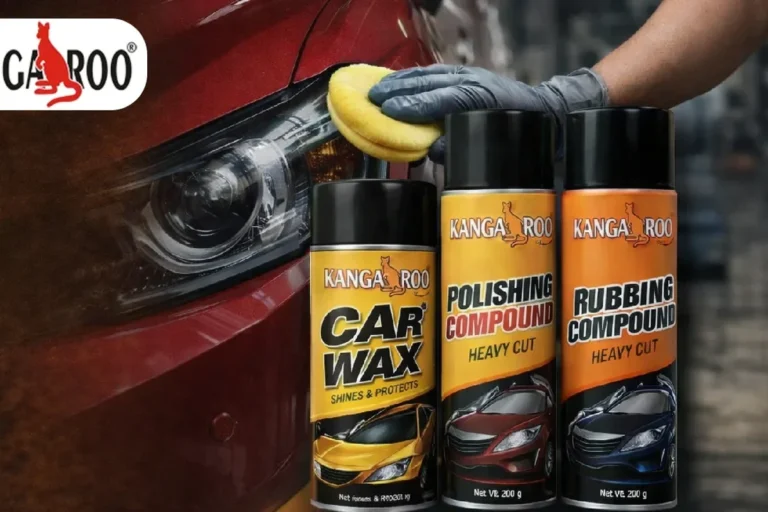
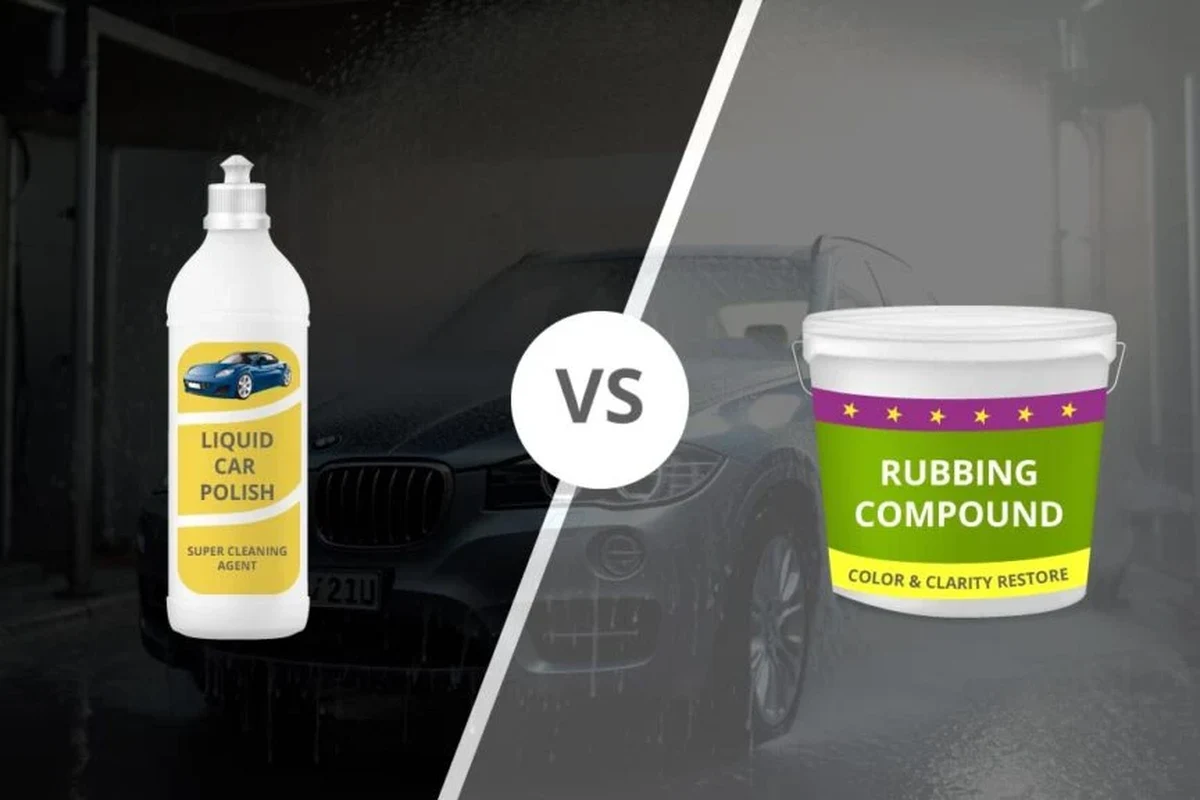
To start, both rubbing and polishing compounds are used in car detailing but serve different purposes. Rubbing compounds are more abrasive and are best used for deep scratches or heavy oxidation.
When comparing rubbing vs polishing compound, it’s essential to understand their functions and applications. Rubbing compounds are designed for heavy-duty surface restoration, while polishing compounds focus on enhancing shine and finish.
This article delves into the distinctions between these two compounds to help you choose the right one for your car.
- Understanding the Basics: Rubbing vs.: To start, both rubbing and polishing compounds are used in car detailing but serve.
- The Key Differences Between Rubbing: Understanding the key differences can help you choose the right compound for your car’s.
- When to Use Rubbing Compound: The choice between rubbing and polishing compounds also depends on the specific situation and.
- Comparative Analysis: Effectiveness, Durability, and: Let’s compare the effectiveness, durability, and cost of rubbing and polishing compounds to provide.
- Pros and Cons of Rubbing: Understanding the strengths and weaknesses of each option will help in making an informed.
Understanding the Basics: Rubbing vs. Polishing Compound
To start, both rubbing and polishing compounds are used in car detailing but serve different purposes. Rubbing compounds are more abrasive and are best used for deep scratches or heavy oxidation. For another location comparison, read car valet kit cleaning kits.
In contrast, polishing compounds are less abrasive and are ideal for fine surface finishing.
| Type | Purpose |
|---|---|
| Rubbing Compound | Used for deep scratches and heavy oxidation |
| Polishing Compound | Ideal for fine surface finishing |
- Identify the specific imperfections in your vehicle’s paint.
- Decide if you need to remove deep scratches or simply enhance shine.
- Consider the application method you prefer (hand vs. machine).
The Key Differences Between Rubbing and Polishing Compounds
Understanding the key differences can help you choose the right compound for your car’s needs. Let’s break it down into their functions and material compositions.
What Each Compound Does
Rubbing compounds work by removing a thin layer of paint or clear coat, which helps eliminate deeper scratches and imperfections. They are effective in restoring a vehicle’s surface when it has been damaged significantly. For official guidance on this, see NHTSA car seat guidance.
Polishing compounds, however, refine the surface of the paint, enhancing its shine without removing as much material.
Material Composition and Quality
Rubbing compounds typically contain coarser abrasives, such as aluminum oxide or silicon carbide, which contribute to their effectiveness in cutting through imperfections. Polishing compounds use finer abrasives that provide a smoother finish and are less likely to cause damage to the paint. You can also use gifts for new car owners as the next practical guide.
When to Use Rubbing Compound vs. Polishing Compound
The choice between rubbing and polishing compounds also depends on the specific situation and the condition of your vehicle’s paint. Knowing when to use each can enhance your detailing efforts.
Best Scenarios for Rubbing Compounds
Rubbing compounds are best used when dealing with:
- Severe scratches or scuff marks that need significant removal.
- Oxidized paint that requires a restoration process.
- Heavy swirl marks that are too deep for polishing compounds.
Best Scenarios for Polishing Compounds
Polishing compounds are ideal for:
Light scratches and swirl marks that need refinement. Enhancing shine and depth of color on a well-maintained surface. Finishing touches after using a rubbing compound to restore the gloss. For related context, read car organizer for back seat.
Comparative Analysis: Effectiveness, Durability, and Cost
Let’s compare the effectiveness, durability, and cost of rubbing and polishing compounds to provide a clearer picture for your decision-making.
Effectiveness in Scratch Removal and Surface Restoration
Rubbing compounds excel in removing deeper scratches and restoring heavily damaged surfaces. Polishing compounds, while effective for light imperfections, are not designed for serious repair, but they enhance the final appearance after a rubbing compound is used.
Durability and Ease of Use Comparison
In terms of durability, both compounds can last if properly applied and maintained. Rubbing compounds can be more demanding to use due to their aggressive nature, requiring careful application to avoid damaging the paint. For official guidance on this, see EPA Safer Choice cleaning product standards.
Polishing compounds are generally easier to use and less likely to cause issues if applied correctly.
Price Range Overview
The cost of rubbing and polishing compounds can vary widely based on brand and formulation. Rubbing compounds typically range from $10 to $30 per bottle, while polishing compounds often fall between $5 and $25. You can also use things to keep in your car as the next practical guide.
It’s advisable to check current prices on retailer websites, as these can fluctuate.
Always test compounds on a small area first to avoid unwanted damage. Ensure proper ventilation when using these rubbing vs polishing compounds to avoid inhaling fumes.
Pros and Cons of Rubbing and Polishing Compounds
Understanding the strengths and weaknesses of each option will help in making an informed choice.

Advantages of Rubbing Compounds
- Effective at removing deep scratches and oxidation.
- Restores paint to a more uniform appearance.
- Can rejuvenate older paint jobs significantly.
Advantages of Polishing Compounds
Enhances shine and luster without significant paint removal. Safer for regular maintenance of paint surfaces. Simple application process, often suitable for DIY enthusiasts. For related context, read car washes that hand wash.
Balanced Verdict: Which Compound is Best for Your Car?
Choosing between rubbing and polishing compounds ultimately depends on your vehicle’s condition and your detailing needs. For significant restoration, a rubbing compound is the better choice, while for regular maintenance and finishing, a polishing compound is ideal. You can also use clean the interior of a car 2 as the next practical guide.
Car Brisky Tip: For best results, follow up a rubbing compound application with a polishing compound to achieve a glossy finish.
Choosing Between Rubbing and Polishing Compounds for Car Detailing
When deciding between rubbing and polishing compounds, evaluate your vehicle’s paint condition. Rubbing compounds are ideal for addressing deep scratches and heavy oxidation, while polishing compounds enhance shine and are best for light imperfections.
Understanding these differences allows you to select the appropriate compound for effective car detailing and maintenance. For related context, read car detailing near me yelp.
- Identify the specific imperfections in your vehicle’s paint.
- Determine if you need to remove deep scratches or just enhance shine.
- Consider the application method you prefer (hand vs. machine).
This guide on rubbing vs polishing compound is general information. Rules, fees, rents, salaries, service coverage, product details, and procedures can change, so confirm important points with the manufacturer, retailer, or official app documentation before acting.
A Few More Questions
Rubbing compounds are best used for severe scratches or scuff marks that require significant removal. They are also effective for heavily oxidized paint and deep swirl marks that cannot be fixed with polishing compounds.
Rubbing compounds typically contain coarser abrasives, such as aluminum oxide or silicon carbide, which help cut through imperfections. In contrast, polishing compounds use finer abrasives that provide a smoother finish with less risk of damaging the paint.
Polishing compounds are ideal for light scratches and swirl marks that need refinement rather than deep repair. They are also suitable for enhancing shine on well-maintained surfaces and for finishing touches after using a rubbing compound.
The price of rubbing compounds generally ranges from $10 to $30 per bottle, while polishing compounds usually fall between $5 and $25. It’s advisable to check current retailer prices, as they can fluctuate based on brand and formulation.
Rubbing compounds are effective at removing deep scratches and restoring heavily damaged surfaces, significantly rejuvenating older paint jobs. They also help achieve a more uniform appearance on the vehicle’s surface.
For the best results, it’s recommended to follow up a rubbing compound application with a polishing compound to achieve a glossy finish. This combination enhances the overall shine and depth of color on your vehicle’s paint.
The Bottom Line
When deciding between rubbing vs polishing compound, consider the specific needs of your vehicle’s paint. Rubbing compounds are suited for deeper repairs, while polishing compounds are perfect for enhancing shine.
Understanding these differences will help you achieve the best results in your car detailing efforts. You can also use how to detail inside of car as the next practical guide.