Compound vs Polish vs Wax Which Is Best for Your Cars Shine
Understanding the distinct roles of compound, polish, and wax can help you determine which product fits your car care routine best.
Choosing between compound, polish, and wax can be confusing for car owners looking to maintain their vehicle’s shine. Understanding the differences between these products is essential to achieving the best results for your car’s finish. You can also use how to detail inside of car as the next practical guide.
- Understanding the Basics: Compound, Polish,: Each of these products serves a unique purpose in car care, and knowing how.
- Comparing Compound, Polish, and Wax: Understanding the distinct roles of compound, polish, and wax can help you determine which.
- Durability and Longevity of Each: Each product also varies in durability and how long its effects last on your.
- Price Comparison: Which Option Gives: Pricing varies widely among these products based on brand and formulation..
- Best-Fit Scenarios for Compound, Polish,: Choosing the right product depends on your vehicle’s condition and your desired results..
Understanding the Basics: Compound, Polish, and Wax
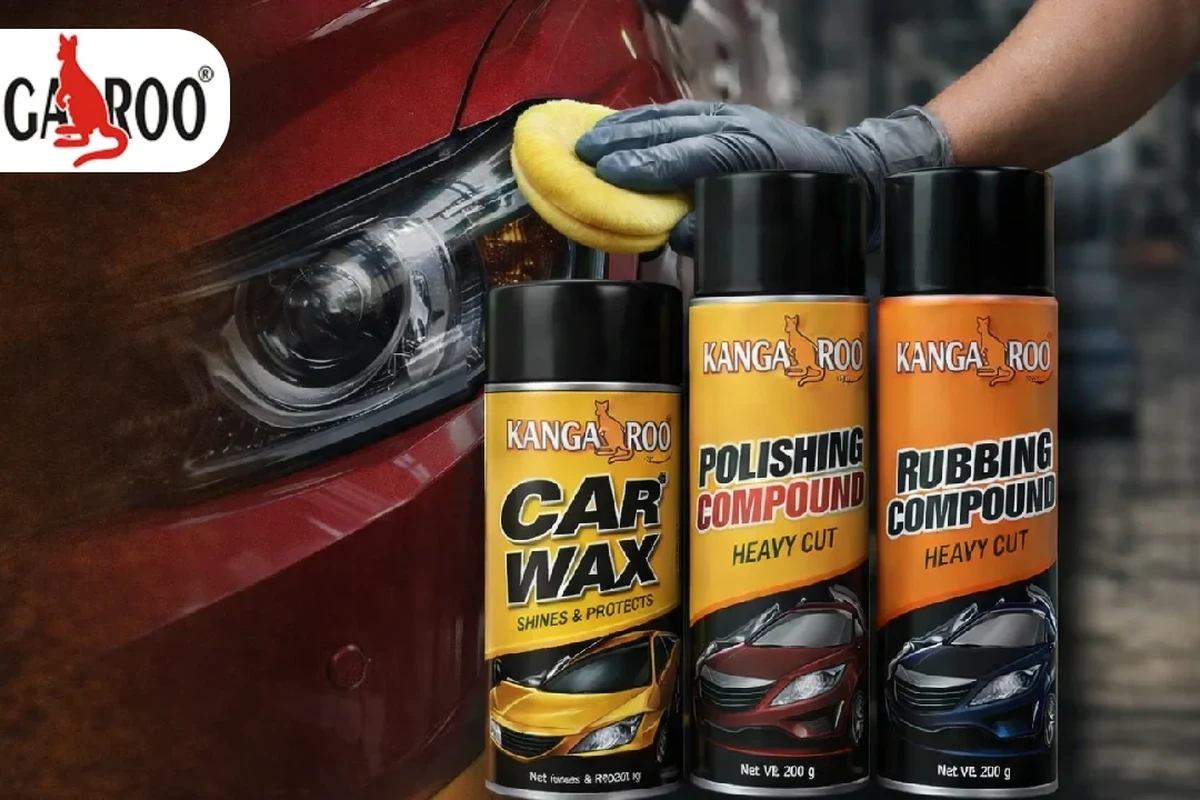
Each of these compound vs polish vs waxs serves a unique purpose in car care, and knowing how they function will help you select the right one for your needs.
| Product Type | Purpose | Best Use Case |
|---|---|---|
| Compound | Removes deep scratches and oxidation | Heavy paint correction |
| Polish | Enhances gloss and removes minor imperfections | Surface refinement and shine |
| Wax | Protects paint and adds a glossy finish | Final step for protection and enhancement |
What is Car Compound?
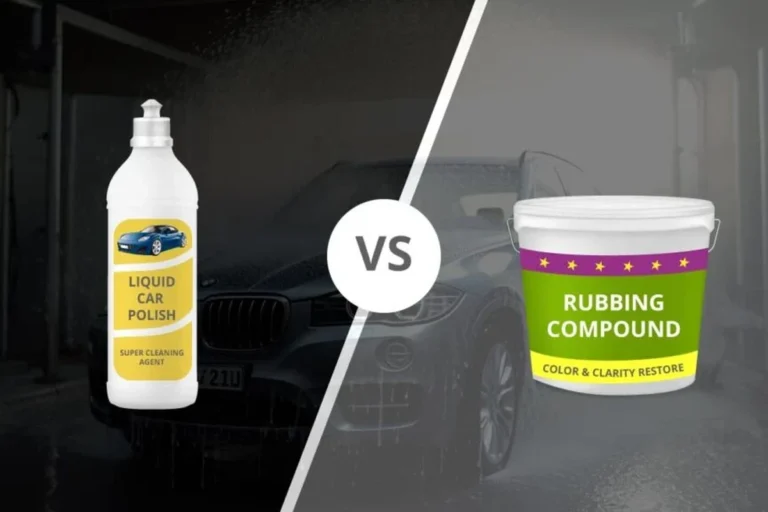
Car compound is an abrasive product designed to remove deeper scratches, oxidation, and paint imperfections. It’s particularly effective for restoring the paint surface on older vehicles or those subjected to harsh conditions.
What is Car Polish?
Car polish is a less abrasive product than compound, aimed at refining the paint surface to enhance gloss and clarity. It’s ideal for maintaining a high-shine finish and removing light swirls or minor imperfections. For official guidance on this, see EPA Safer Choice cleaning product standards.
What is Car Wax?
Car wax is a protective barrier applied over the paint surface to shield it from environmental elements. It enhances shine and provides a layer of protection against UV rays, dirt, and water. For related context, read car valet kit cleaning kits.
- Match features to what your daily driving actually needs.
- Avoid choosing on price alone if material quality differs.
- Check current size and color availability before deciding.
Comparing Compound, Polish, and Wax: What Sets Them Apart?
Understanding the distinct roles of compound, polish, and wax can help you determine which product fits your car care routine best.
Application Methods and Use Cases
Application methods vary for each product. Compounds typically require a dual-action or rotary polisher for even application, while polish can be applied by hand or machine. Wax is best applied by hand or with a foam applicator.
Material Quality and Composition
Compounds often contain abrasive particles, making them effective for heavy correction. Polishes may include finer abrasives or chemical agents for surface enhancement, while waxes are made from natural or synthetic materials that provide a protective coating. You can also use gifts for new car owners as the next practical guide.
| Product | Best For | Key Characteristics |
|---|---|---|
| Compound | Heavy paint correction | Abrasive, removes deep scratches |
| Polish | Surface refinement | Less abrasive, enhances gloss |
| Wax | Protection and shine | Natural/synthetic, provides a barrier |
Durability and Longevity of Each Product
Each product also varies in durability and how long its effects last on your vehicle.
Compounds can last through multiple washes but may require reapplication after a few months, especially on daily drivers. For official guidance on this, see Consumer Reports car guidance.
Polishes generally provide a glossy finish that can last for several weeks, while wax can offer protection for a few months, depending on the conditions. For related context, read car organizer for back seat.
- Car compoundTypically $15-$30.
- Car polishUsually $10-$25.
- Car waxRanges from $5 to $50.
Price Comparison: Which Option Gives You More Bang for Your Buck?
Pricing varies widely among these products based on brand and formulation. Compounds are typically the most expensive due to their intensive correction capabilities. Polishes are often moderately priced, while waxes can range from budget options to premium formulations. This area decision also connects with things to keep in your car.

Comparison decisions are medium priority; size or vehicle-fit mismatches are the most common regret.
Best-Fit Scenarios for Compound, Polish, and Wax
Choosing the right product depends on your vehicle’s condition and your desired results.
Pros and Cons of Each Product
- Compound:
- Pros: Effective for heavy scratches, quick results.
- Cons: Can be overly abrasive if misused.
- Polish:
Pros: Enhances gloss, easy to apply. Cons: Doesn’t provide protection.
- Wax:
- Pros: Provides a protective layer, enhances shine.
- Cons: Requires frequent reapplication.
Final Verdict: Which Product is Best for Your Car’s Shine?
The best choice depends on your specific needs. For heavy damage, use compound; for maintenance, opt for polish; and for protection, choose wax. A combination of all three can yield the best results over time. For related context, read car washes that hand wash.
Utilizing compound, polish, and wax in a sequential manner can help achieve optimal results. Start with compound for correction, then polish for shine, and finish with wax for protection.
Choosing Between Compound, Polish, and Wax for Your Car’s Shine
To maintain your vehicle’s shine, start with compound for removing deep scratches and oxidation, followed by polish to enhance gloss and clarity. Finally, apply wax for protection and added shine.
This sequential approach ensures your car looks its best while being safeguarded against environmental damage.
Use compound for heavy paint correction on older or damaged vehicles. Apply polish for surface refinement and to eliminate minor imperfections. Finish with wax for a protective layer that enhances shine and longevity. You can also use clean the interior of a car 2 as the next practical guide.
This guide on compound vs polish vs wax is general information. Rules, fees, rents, salaries, service coverage, product details, and procedures can change, so confirm important points with the manufacturer, retailer, or official app documentation before acting.
A Few More Questions
Car compound is abrasive and designed for heavy paint correction, while polish refines the paint surface with less abrasiveness to enhance gloss. Wax acts as a protective barrier, offering shine and protection against environmental elements.
Use car compound when dealing with heavy paint damage, such as deep scratches and oxidation. Polish is better suited for maintaining gloss and addressing light swirls or minor imperfections.
Car wax should be reapplied every few months to maintain its protective qualities, especially in harsh environmental conditions. The longevity of wax can vary based on exposure to dirt and UV rays.
Car compound typically costs between $15-$30, while car polish ranges from $10-$25. Car wax can vary widely from budget options starting at $5 to premium formulations reaching up to $50.
Compound is usually applied with a dual-action or rotary polisher for even application, while polish can be applied by hand or machine. Wax is best applied manually or with a foam applicator for best results.
The pros of car polish include its ability to enhance gloss and ease of application. However, it does not provide any protective qualities, which is a significant drawback for long-term vehicle maintenance.
Closing Thoughts
Choosing between compound, polish, and wax can be confusing for car owners looking to maintain their vehicle’s shine. Car compound is an abrasive product designed to remove deeper scratches, oxidation, and paint imperfections. For related context, read car detailing near me yelp.