Polishing Compound vs Wax Which One Gives Your Car a Shine
Polishing compounds and waxes serve different purposes in automotive detailing. Knowing their distinct characteristics will help you choose the right product for your car’s needs.
When considering the best way to enhance your vehicle’s shine, understanding the differences between polishing compound vs wax is essential. Each product has unique benefits and applications that cater to specific needs and situations.
- Understanding Polishing Compounds and Waxes: Polishing compounds and waxes serve different purposes in automotive detailing..
- When to Use Polishing Compounds: Deciding when to use a polishing compound versus wax depends on the condition of.
- Composition and Effectiveness of Polishing: Polishing compounds are typically made from a blend of abrasives and chemical compounds that.
- Benefits of Using Car Wax: Wax provides several benefits, including UV protection, a high-gloss finish, and water repellency..
- Durability and Longevity: Which Lasts: When comparing durability, wax typically needs to be reapplied every few months, depending on.
Understanding Polishing Compounds and Waxes
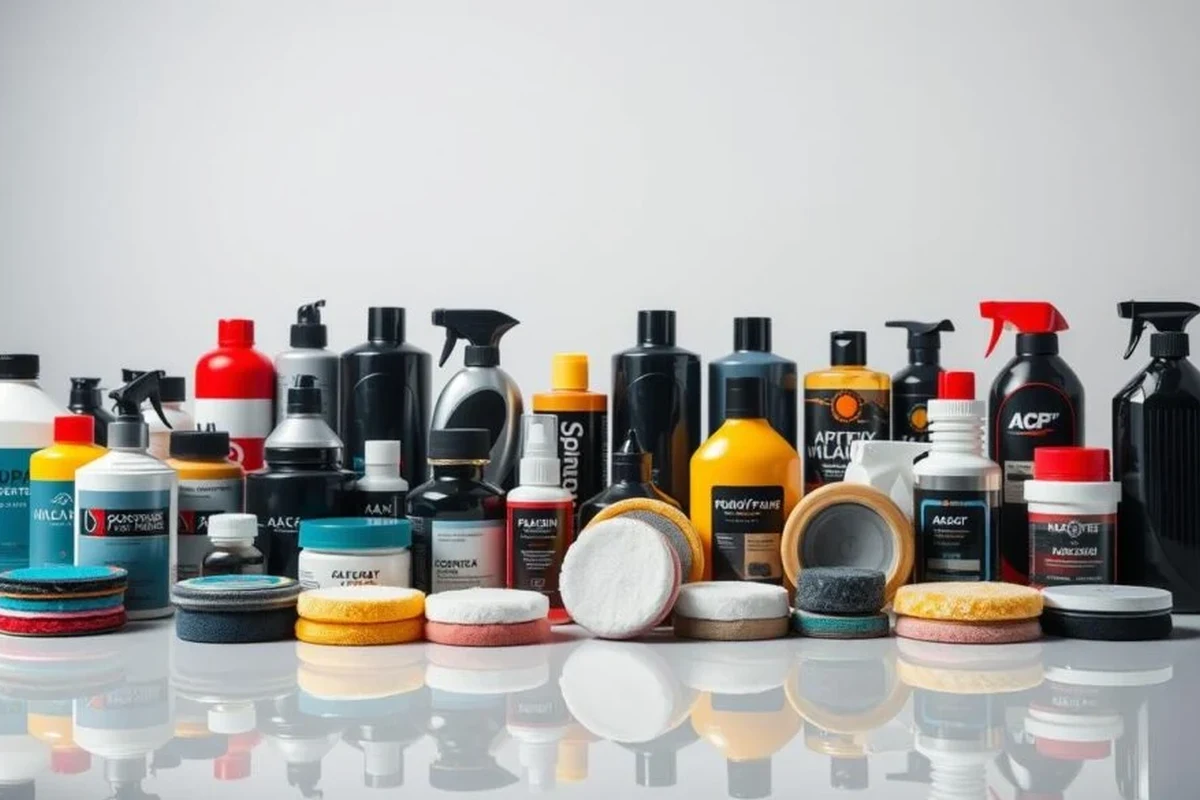
Polishing compounds and waxes serve different purposes in automotive detailing. Knowing their distinct characteristics will help you choose the right product for your car’s needs.
| Product Type | Purpose |
|---|---|
| Polishing Compound | Removes scratches and imperfections |
| Wax | Provides a protective layer and enhances shine |
What Makes Polishing Compounds and Waxes Different?
Polishing compounds are abrasive materials designed to remove imperfections such as scratches, swirl marks, and oxidation from the paint surface. They work by leveling out the paint, creating a smoother finish.
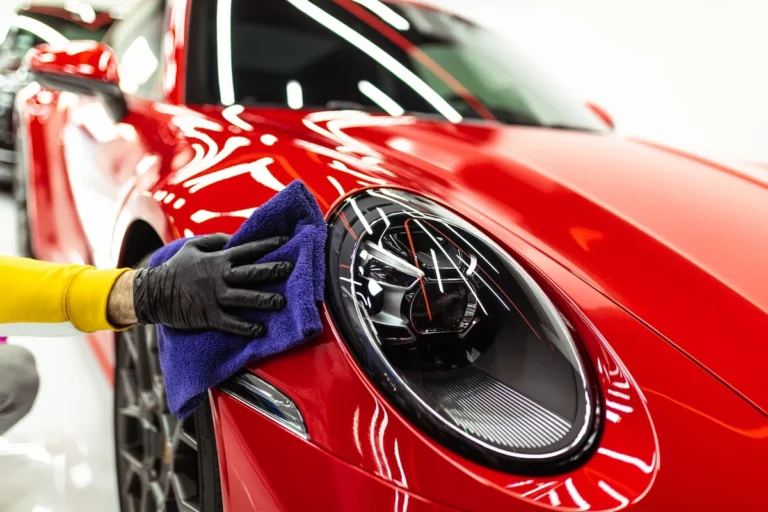
In contrast, wax provides a protective layer on top of the paint, enhancing shine and offering some protection against environmental factors. While compounds refine the surface, waxes seal and protect it. For related context, read car valet kit cleaning kits.
When to Use Polishing Compounds vs. Wax
Deciding when to use a polishing compound versus wax depends on the condition of your vehicle’s paint and your desired outcome. If your car’s paint has visible blemishes or is dull, a polishing compound is appropriate.
Conversely, if your paint is in good condition and simply needs a protective layer and shine, wax is the better choice. This area decision also connects with clean the interior of a car 2.
Use this guide for polishing compound vs wax as a decision framework, then adapt it to your vehicle, budget, and how you actually drive.
Composition and Effectiveness of Polishing Compounds
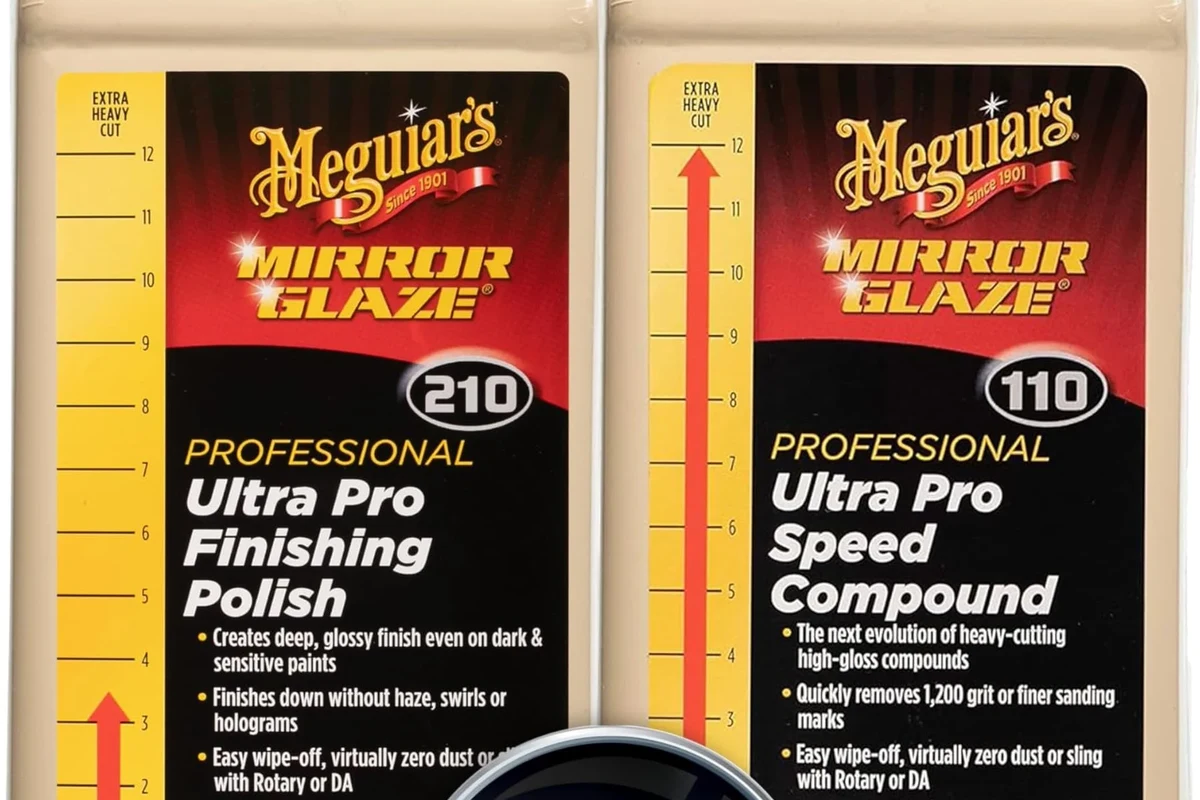
Polishing compounds are typically made from a blend of abrasives and chemical compounds that help to remove surface flaws. The abrasiveness varies with different products, ranging from heavy-cut compounds for severe imperfections to finishing compounds for minor scratches.
This effectiveness allows for a refreshed paint surface but requires careful application to avoid damaging the paint. For related context, read clean the inside of a car.
Benefits of Using Car Wax
Wax provides several benefits, including UV protection, a high-gloss finish, and water repellency. It acts as a barrier against contaminants, helping to maintain the paint’s integrity over time. For official guidance on this, see EPA Safer Choice cleaning product standards.
Also, applying wax is generally easier and less time-consuming than using a polishing compound, making it ideal for regular maintenance. You can also use things to keep in your car as the next practical guide.
Measure the trunk floor, seat back, or console opening in your own vehicle before ordering, then check that number against the listed product dimensions rather than the product photo.
Durability and Longevity: Which Lasts Longer?
When comparing durability, wax typically needs to be reapplied every few months, depending on environmental conditions and wash frequency.
Polishing compounds, on the other hand, do not require frequent reapplication as they are often used as a one-time solution to restore the paint’s surface.
However, the longevity of the results from either product can vary based on factors such as application method and environmental exposure. For related context, read clean the interior of a car.
Comparison decisions are medium priority; size or vehicle-fit mismatches are the most common regret.
Price Comparison: Polishing Compounds and Waxes
The price of polishing compounds and waxes can differ significantly. Generally, polishing compounds are priced higher due to their specialized formulas and the need for more careful application.
Waxes, especially basic formulas, can be found at lower price points, making them accessible for regular use. Always check current market prices to find the best options for your budget. This area decision also connects with car washes that hand wash.
Application Methods: How to Use Each Product
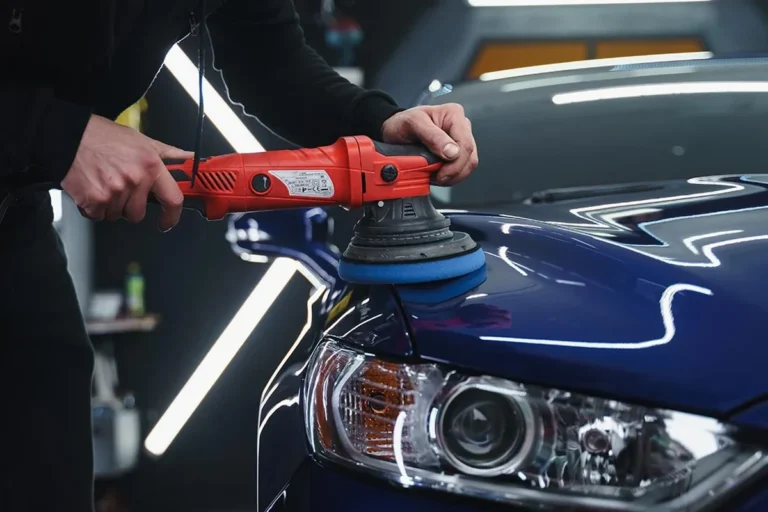
Using polishing compounds usually involves a machine polisher for optimal results, although they can be applied manually with the right technique. Wax application is more straightforward, often requiring only a soft cloth or applicator pad. For related context, read car detailing near me yelp.
Regardless of the product, always follow the manufacturer’s instructions for the best results.
Ensure you follow all safety guidelines when using polishing compounds to avoid damaging your car’s paint.
Pros and Cons of Polishing Compounds and Waxes
Understanding the pros and cons can help in making an informed decision:
- Polishing Compounds:
- Pros: Effective at removing scratches and blemishes.
- Cons: Can be abrasive; requires careful application.
- Waxes:
Pros: Easy to apply; enhances shine and protects paint. Cons: Requires regular reapplication; does not fix surface imperfections. For official guidance on this, see NHTSA vehicle safety guidance.
- Effective at removing scratches and blemishes.
- Easy to apply; enhances shine and protects paint.
Can be abrasive; requires careful application. Requires regular reapplication; does not fix surface imperfections.
Choosing Between Polishing Compound and Wax for Car Shine
When enhancing your vehicle’s shine, the choice between polishing compound and wax depends on your car’s paint condition.
Use polishing compounds to remove scratches and imperfections for a smoother finish, while wax is ideal for providing a protective layer and enhancing shine on well-maintained surfaces. Assess your vehicle’s needs to select the right product for optimal results. You can also use how to detail inside of car as the next practical guide.
- Evaluate the paint condition: use polishing compound for visible blemishes.
- Opt for wax if your paint is in good condition and needs a shine boost.
- Consider ease of application: wax is simpler and quicker to apply than polishing compounds.
This guide on polishing compound vs wax is general information. Rules, fees, rents, salaries, service coverage, product details, and procedures can change, so confirm important points with the manufacturer, retailer, or official app documentation before acting.
Common Questions
Polishing compounds are abrasive materials designed to remove imperfections like scratches and swirl marks, creating a smoother finish. In contrast, wax provides a protective layer that enhances shine and guards against environmental factors.
You should use a polishing compound if your car’s paint has visible blemishes or appears dull. Wax is more appropriate when the paint is in good condition and only needs a protective layer and shine.
Polishing compounds are made from a blend of abrasives and chemical compounds that help remove surface flaws, with varying abrasiveness tailored to different imperfections. This effectiveness allows for a refreshed paint surface but requires careful application to avoid damaging the paint.
Car wax provides UV protection, a high-gloss finish, and water repellency, acting as a barrier against contaminants. Also, applying wax is generally easier and less time-consuming than using a polishing compound, making it ideal for regular maintenance.
Wax typically needs to be reapplied every few months, depending on environmental conditions and wash frequency. In contrast, polishing compounds are often a one-time solution to restore the paint’s surface and do not require frequent reapplication.
The pros of polishing compounds include their effectiveness in removing scratches and blemishes, while the cons involve their abrasiveness and need for careful application. For waxes, the pros are easy application and enhanced shine and protection, but the cons include the necessity for regular reapplication and their inability to fix surface imperfections.
The Bottom Line
In the debate of polishing compound vs wax, the choice ultimately depends on your vehicle’s needs. For those looking to restore a damaged paint surface, polishing compounds are essential.
If you’re after a simple shine and protection, wax is your friend. Regular maintenance with either product can keep your car looking great.