Car Seat Latch vs Seat Belt Which Is Safer for Your Child
Choosing the right method for securing a car seat is crucial for child safety. The LATCH (Lower Anchors and Tethers for Children) system and traditional seat belts both serve this purpose but differ in installation, safety, and compatibility.
When securing your child’s car seat, understanding the difference between a car seat latch vs seat belt is essential. Each method has its pros and cons, affecting safety and ease of use.
This article will explore the key factors to help you make an informed decision.
- Understanding Car Seat Safety: Latch: Choosing the right method for securing a car seat is crucial for child safety..
- Car Seat Latch vs. Seat: Both the LATCH system and seat belts are designed to secure car seats, but.
- Material Quality and Durability of: The materials used in LATCH systems and seat belts can affect their durability and.
- Best-Fit Scenarios: When to Use: Determining when to use a LATCH system or seat belt often depends on your.
- Cost Considerations and Availability: Cost can vary depending on the type of car seat and securing method..
Understanding Car Seat Safety: Latch vs. Seat Belt
Choosing the right method for securing a car seat is crucial for child safety. The LATCH (Lower Anchors and Tethers for Children) system and traditional seat belts both serve this purpose but differ in installation, safety, and compatibility.
Knowing these differences will help you determine which option best fits your vehicle and needs. For related risk checks, compare this with car organizer for back seat.
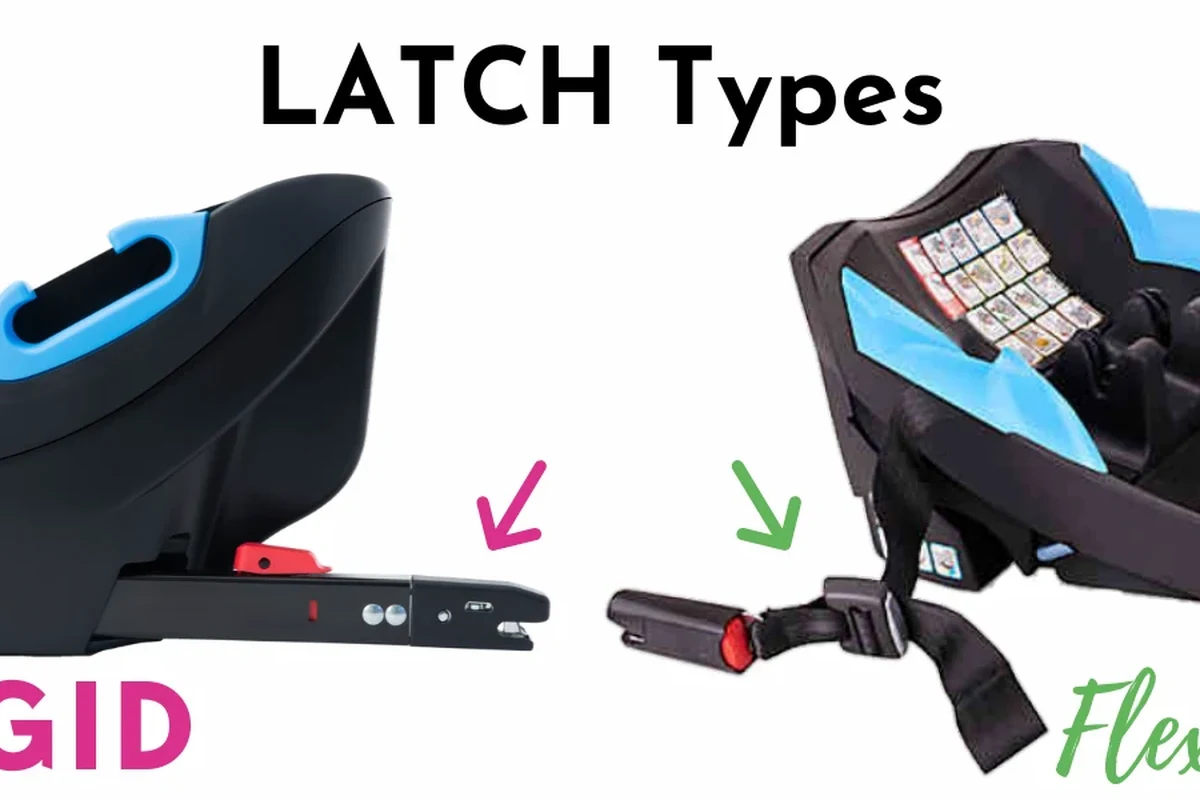
| Criteria | LATCH System | Seat Belt |
|---|---|---|
| Installation Ease | Generally easier with built-in anchors | Requires threading through belt path |
| Safety | Designed specifically for car seats | Can be secure if installed correctly |
| Compatibility | Limited to vehicles with LATCH anchors | Compatible with most vehicles |
| Adjustability | Fixed installation points | Can be adjusted for a snug fit |
Use this guide for car seat latch vs seat belt as a decision framework, then adapt it to your vehicle, budget, and how you actually drive.
Car Seat Latch vs. Seat Belt: Key Differences Explained
Both the LATCH system and seat belts are designed to secure car seats, but they function differently. Understanding these differences can guide you in selecting the safest option for your child.
Safety Ratings and Regulations
Both LATCH and seat belts are subject to safety standards set by organizations like the National Highway Traffic Safety Administration (NHTSA).
LATCH systems are designed specifically for car seats, while seat belts are universal and must meet specific regulations for installation and usage. It’s essential to check the safety ratings for both methods in your vehicle’s manual and the car seat guidelines.
Installation: Ease of Use Compared
Installation can vary significantly between the LATCH system and seat belts. LATCH often allows for quicker installation, as it uses anchors built into the vehicle. For official guidance on this, see NHTSA vehicle safety guidance.
However, some parents find using seat belts more straightforward, especially in older vehicles. Be sure to consult your car seat’s manual for the correct installation procedures for both methods. This area decision also connects with car seat organizer front seat.
| Feature | LATCH | Seat Belt |
|---|---|---|
| Installation Time | Quicker in many cases | Varies by vehicle |
| Weight Limit | Usually up to 65 lbs (varies by car seat) | Depends on car seat specifications |
| Ease of Use | Generally easier with anchors | May require more adjustments |
| Compatibility | Designed for specific car seats | Universal fit for all |
Regularly inspect both systems for wear and clean them with mild soap. Always check for compatibility with your car seat before installation.
Material Quality and Durability of Latch and Seat Belt Systems
The materials used in LATCH systems and seat belts can affect their durability and safety. LATCH systems are typically made from high-strength plastics and metals, while seat belts are often nylon or polyester.
It’s crucial to ensure that both systems are free from wear and tear to maintain their effectiveness.
Maintenance and Cleaning Considerations
Maintaining your car seat’s securing system is vital for longevity and safety. LATCH systems generally require less maintenance but should be inspected regularly for any signs of damage.
Seat belts should be checked for fraying or wear, and both systems can usually be cleaned with mild soap and water. For more detailed care instructions, refer to your vehicle’s manual. For related service checks, see back of seat car organiser.
Vehicles equipped with LATCH anchors.
Most modern cars with LATCH systems.
Check for existing LATCH anchors in your vehicle.
Best-Fit Scenarios: When to Use a Latch or Seat Belt
Determining when to use a LATCH system or seat belt often depends on your vehicle and car seat specifications. For example, if your vehicle is equipped with LATCH anchors and your car seat supports it, using LATCH might be preferable.
However, if your vehicle lacks LATCH anchors, or if your car seat exceeds the LATCH weight limit, a seat belt is the best option. For official guidance on this, see NHTSA car seat guidance.
Compatibility with Vehicle Models
Not all vehicles are equipped with LATCH anchors. It’s essential to verify whether your vehicle has the necessary anchors, especially for older models.
Also, some car seats have specific requirements that may make them incompatible with certain vehicles. Always consult your car seat and vehicle manuals for compatibility information. You can also use gifts for new car owners as the next practical guide.
- Compare material quality and durability first.
- Compare price tier, capacity/size, and ease of cleaning.
- Check whether either option needs extra straps, hooks, or mounting hardware.
Cost Considerations and Availability
Cost can vary depending on the type of car seat and securing method. Generally, LATCH systems are integrated into newer vehicles, while older cars may lack this feature.
The price of car seats also varies significantly based on brand and safety features. It’s advisable to weigh the costs of securing systems against their safety benefits. For related context, read things to keep in your car.
- Car SeatBase price varies widely.
- Installation ToolsAdditional tools may be needed for seat belts.
- MaintenanceRegular checks can prevent extra costs.
Conclusion: Which Method is Safer for Your Child?
Deciding between a car seat latch vs seat belt ultimately depends on your vehicle and car seat compatibility. Both systems have their strengths and weaknesses, but when used correctly, they provide a high level of safety.
Ensure you follow the manufacturer’s instructions for installation and maintenance for whichever method you choose. You can also use car valet kit cleaning kits as the next practical guide.
Car Seat Latch vs Seat Belt: Choosing the Safest Method
When deciding between a car seat latch and a seat belt, consider your vehicle’s compatibility and your child’s car seat specifications.
The LATCH system offers ease of installation and is designed specifically for car seats, while seat belts provide a universal fit and flexibility. Always follow the manufacturer’s guidelines to ensure safety and proper usage for either method. For another location comparison, read car washes that hand wash.
- Check your vehicle for existing LATCH anchors before installation.
- Consult your car seat manual for weight limits and compatibility.
- Regularly inspect both securing systems for wear and damage.
This guide on car seat latch vs seat belt is general information. Rules, fees, rents, salaries, service coverage, product details, and procedures can change, so confirm important points with the manufacturer, retailer, or official app documentation before acting.
Questions People Also Ask
The LATCH system is specifically designed for car seats and often allows for quicker installation, while seat belts offer a universal fit but may require more adjustments. Understanding these differences can help you select the safest option for your child based on your vehicle and car seat compatibility.
Both LATCH systems and seat belts are subject to safety standards set by organizations like the NHTSA, but LATCH is tailored specifically for car seats, whereas seat belts are universal. It’s important to check the safety ratings for both methods in your vehicle’s manual and the car seat guidelines.
LATCH systems generally offer quicker installation due to built-in anchors in the vehicle, while seat belt installation can vary in complexity depending on the vehicle type. Parents should consult their car seat’s manual for specific installation procedures for both methods.
LATCH systems typically require less maintenance but should be regularly inspected for damage, while seat belts need checks for fraying or wear. Both systems can usually be cleaned with mild soap and water to maintain their effectiveness.
You should use a LATCH system if your vehicle is equipped with LATCH anchors and your car seat supports it within the weight limits. Conversely, if your vehicle lacks LATCH anchors or the car seat exceeds the LATCH weight limit, a seat belt is the better option.
LATCH systems are usually made from high-strength plastics and metals, while seat belts are often constructed from nylon or polyester. It’s crucial to ensure that both systems are free from wear and tear to maintain their effectiveness and safety.
Wrapping Up
Understanding the differences between a car seat latch and a seat belt can significantly impact your child’s safety in a vehicle. Always prioritize correct installation and maintenance to maximize safety.
Regularly check for wear and compatibility with your vehicle to ensure the best protection for your child. You can also use clean the interior of a car 2 as the next practical guide.