
Unibody Frame vs Full Frame Which Is Better for Your Needs
Understanding the key differences between unibody frames and full frames can inform your decision when purchasing a vehicle. Here we’ll explore their structural characteristics, material composition, and how these factors affect performance.
The choice between unibody frame vs full frame affects vehicle performance, safety, and utility. Understanding these differences can help you select the right vehicle type based on your needs, whether for everyday driving or heavy-duty tasks.
- Understanding Vehicle Frames: Unibody vs: When selecting a vehicle, the frame construction significantly influences its design and functionality..
- Key Differences Between Unibody and: Understanding the key differences between unibody frames and full frames can inform your decision.
- Durability and Safety: Which Frame: Safety and durability are critical factors in vehicle frame design..
- Weight and Fuel Efficiency: The: Weight impacts both performance and fuel efficiency..
- Best-Fit Scenarios: When to Choose: Choosing between unibody and full frame depends on your driving needs..
Understanding Vehicle Frames: Unibody vs Full Frame
When selecting a vehicle, the frame construction significantly influences its design and functionality. Unibody frames integrate the body and chassis into a single structure, while full frames consist of a separate support structure for the body. For another location comparison, read gifts for new car owners.
Each type has distinct advantages and ideal applications.
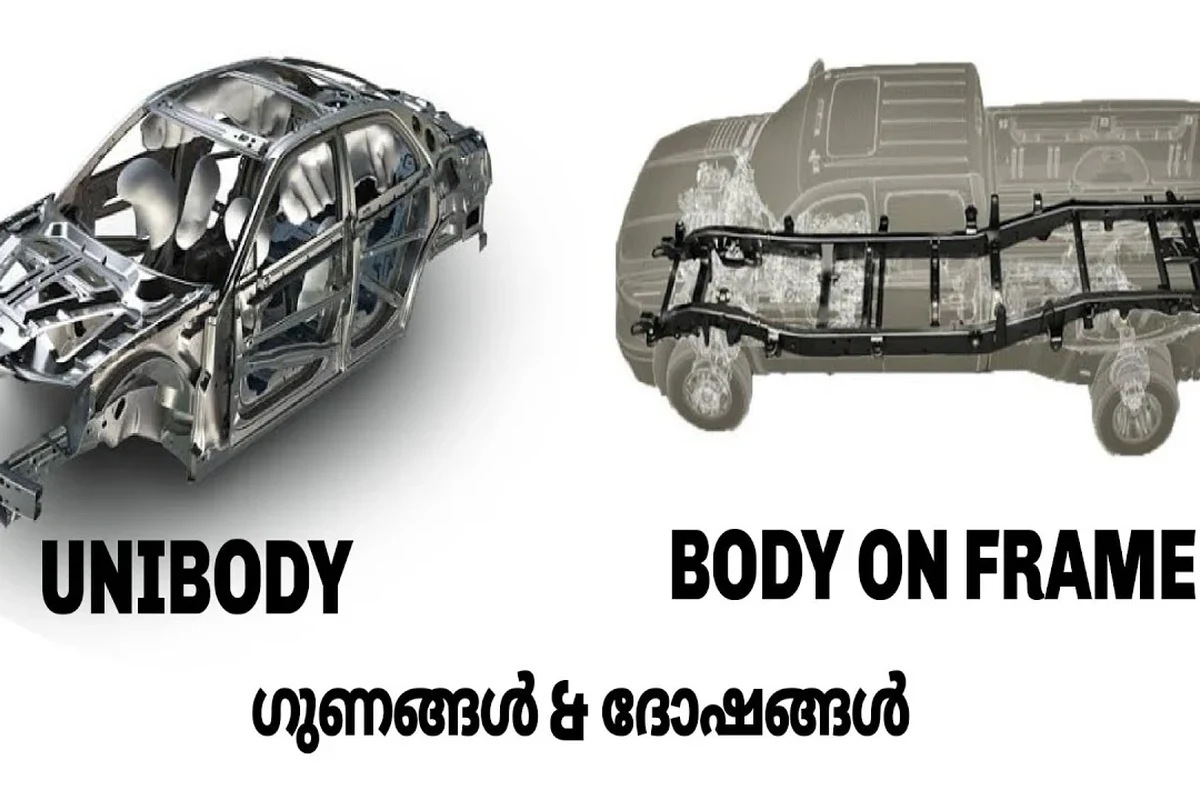
| Frame Type | Structure | Advantages |
|---|---|---|
| Unibody Frame | Body and chassis integrated | Lightweight, better fuel efficiency |
| Full Frame | Separate support structure | Higher towing capacity, better off-road performance |
Everyday drivers looking for fuel efficiency and comfort.
Ideal for trucks and SUVs needing towing capacity and durability.
Check the vehicle’s purpose to determine the best frame type.
Key Differences Between Unibody and Full Frame Structures
Understanding the key differences between unibody frames and full frames can inform your decision when purchasing a vehicle. Here we’ll explore their structural characteristics, material composition, and how these factors affect performance.
Structure and Design: How They Vary
Unibody designs use a single cohesive structure, enhancing rigidity and reducing weight. In contrast, full frames have a separate foundation, providing flexibility for towing and modifications. This structural difference influences handling and performance across various driving conditions.
Material Composition: What Each Frame Is Made Of
Unibody frames typically use high-strength steel or aluminum, which contributes to lighter weight and improved fuel efficiency. Full frames often use heavier steel to enhance durability and strength for heavier loads, making them suitable for trucks and SUVs. You can also use car organizer for back seat as the next practical guide.
Durability and Safety: Which Frame Type Is More Robust?
Safety and durability are critical factors in vehicle frame design. The differences in construction and materials between unibody and full frames can influence crash safety ratings and long-term maintenance needs. For official guidance on this, see US Department of Energy fuel economy tips.
Impact on Crash Safety Ratings
Unibody vehicles generally achieve higher crash safety ratings due to their integrated design, which absorbs impact energy more effectively. On the other hand, full frames can provide better protection in specific collision types, especially for larger vehicles.
Longevity and Maintenance Considerations
Unibody frames often require less maintenance as they have fewer components that can wear out. Full frames may incur higher long-term maintenance costs due to their complexity and the potential for rust and wear on separate components. For related service checks, see things to keep in your car.
- Initial purchase priceGenerally lower for unibody vehicles.
- Maintenance costsCan be higher for full-frame vehicles.
- Resale valueFull-frame vehicles may retain better value.
Weight and Fuel Efficiency: The Performance Factor
Weight impacts both performance and fuel efficiency. Unibody frames, being lighter, typically result in better fuel economy and handling. In contrast, full frames are heavier, which can affect acceleration and fuel consumption. You can also use car valet kit cleaning kits as the next practical guide.
Check for potential rust issues in older full-frame vehicles that can impact durability.
Best-Fit Scenarios: When to Choose Each Frame Type
Choosing between unibody and full frame depends on your driving needs. Each frame type serves different purposes, making it essential to understand the best-fit scenarios for your lifestyle.

Everyday Driving vs. Heavy-Duty Use
Unibody frames are ideal for everyday vehicles, offering comfort and fuel efficiency for city driving. Full frames excel in heavy-duty applications, such as towing, off-roading, and transporting heavy loads. For another location comparison, read car washes that hand wash.
- Confirm the vehicle type meets your driving needs.
- Check for safety ratings based on frame type.
- Consider long-term maintenance costs for each frame type.
Cost Implications: Purchasing and Maintenance Costs
The cost of the vehicle and its upkeep can vary significantly between unibody and full frame constructions. Understanding these cost implications helps make a more informed buying decision. For official guidance on this, see NHTSA vehicle safety guidance.
Initial Purchase Price and Resale Value
Unibody vehicles are typically less expensive upfront due to their manufacturing processes. However, full-frame vehicles may retain better resale value due to their durability and capability in rugged conditions. You can also use clean the interior of a car 2 as the next practical guide.
Off-Road Capabilities: Which Frame Handles Rough Terrain Better?
Off-road conditions require solid frame construction to withstand harsh environments. Full frame vehicles generally outperform unibody vehicles in off-road situations, offering better ground clearance and stability. For related context, read car detailing near me yelp.
- Inspect the undercarriage of full-frame vehicles for wear and rust.
- Evaluate the overall structure of unibody vehicles for signs of impact.
- Consult vehicle history reports for maintenance records.
Choosing Between Unibody Frame vs Full Frame: Key Considerations
Selecting between a unibody frame and a full frame hinges on your specific driving needs. Unibody frames provide a lightweight, fuel-efficient option for everyday use, while full frames excel in durability and towing capacity, making them ideal for heavy-duty tasks. This area decision also connects with how to detail inside of car.
Assessing these factors ensures you choose a vehicle that aligns with your lifestyle requirements.
- Evaluate your primary driving conditions—city vs. off-road.
- Consider the vehicle’s intended use for towing or heavy loads.
- Check for potential rust issues in older full-frame vehicles.
This guide on unibody frame vs full frame is general information. Rules, fees, rents, salaries, service coverage, product details, and procedures can change, so confirm important points with the manufacturer, retailer, or official app documentation before acting.
Questions People Also Ask
Unibody frames integrate the body and chassis into a single structure, enhancing rigidity and reducing weight. In contrast, full frames consist of a separate support structure, which provides flexibility for towing and modifications.
Unibody vehicles typically achieve higher crash safety ratings due to their integrated design, which absorbs impact energy more effectively. Full frames, however, can offer better protection in specific collision types, particularly for larger vehicles.
Full frames excel in heavy-duty applications, such as towing, off-roading, and transporting heavy loads due to their solid construction. Unibody frames are better suited for everyday vehicles that prioritize comfort and fuel efficiency.
Unibody frames typically use high-strength steel or aluminum, contributing to lighter weight and improved fuel efficiency. Full frames often use heavier steel to enhance durability and strength for carrying heavier loads.
Unibody frames often require less maintenance because they have fewer components that can wear out over time. In contrast, full frames may incur higher long-term maintenance costs due to their complexity and potential for rust and wear on separate components.
Unibody vehicles are generally less expensive upfront due to their manufacturing processes. However, full-frame vehicles may retain better resale value because of their durability and capability in rugged conditions.
Final Words
Choosing between unibody frame vs full frame depends on your specific needs and driving habits. Unibody frames offer lighter weight and fuel efficiency, making them suitable for everyday use, while full frames provide durability and towing capacity for heavy-duty applications.