Polishing vs Waxing a Car Which Method Gives a Better Shine
Both polishing and waxing are essential car detailing processes, but they serve different purposes. Polishing focuses on correcting paint imperfections, while waxing adds a protective layer that enhances shine.
Polishing vs waxing a car can significantly affect your vehicle’s appearance and protection. Knowing how each method works helps you choose the best option for your vehicle’s finish and condition.
- Understanding Car Polishing and Waxing: Both polishing and waxing are essential car detailing processes, but they serve different purposes..
- Polishing vs Waxing: What’s the: While both methods can improve your car’s look, they address different aspects of paint.
- Effect on Car Paint Finish: Understanding how polishing and waxing interact with your car’s paint can help you decide.
- Durability and Longevity: Which Method: Longevity is an essential consideration when choosing between polishing and waxing..
- Application Techniques: How to Polish: The application methods for polishing and waxing can significantly affect the outcome..
Understanding Car Polishing and Waxing
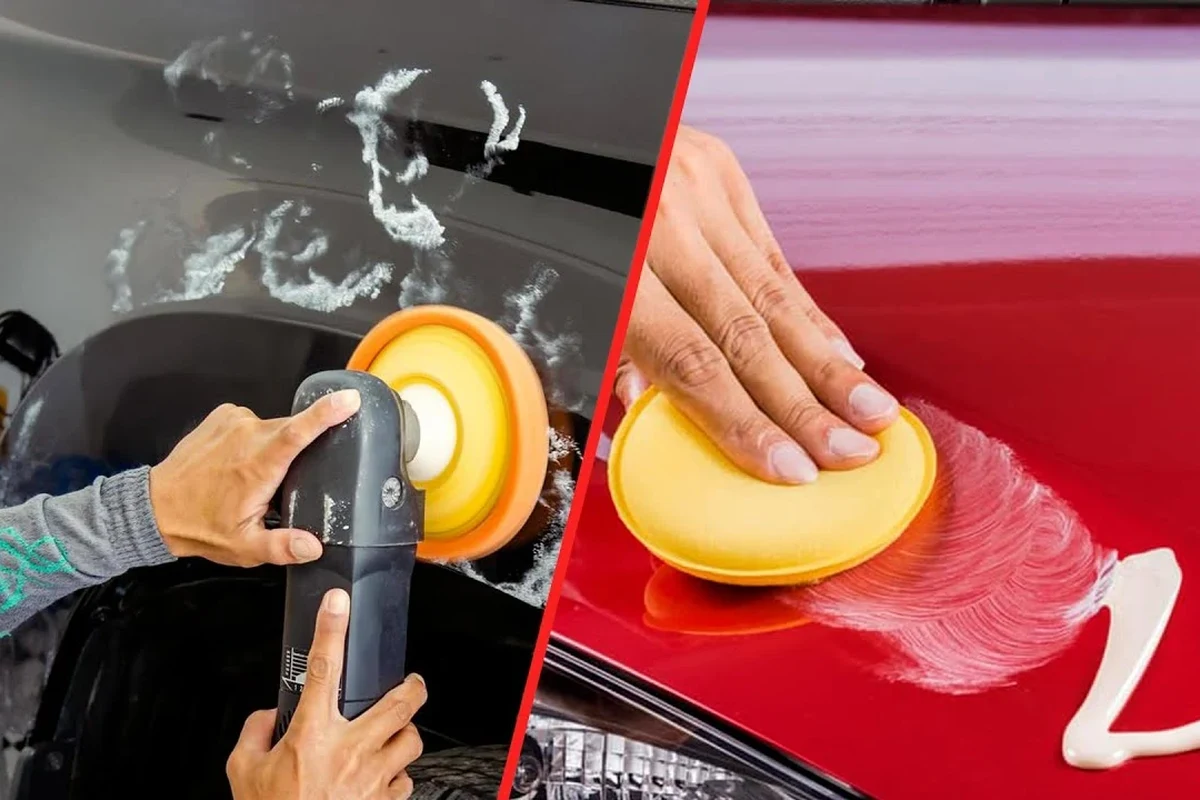
Both polishing and waxing are essential car detailing processes, but they serve different purposes. Polishing focuses on correcting paint imperfections, while waxing adds a protective layer that enhances shine. Understanding these differences is key to achieving the best results for your vehicle.
| Process | Purpose |
|---|---|
| Polishing | Corrects paint imperfections |
| Waxing | Adds a protective layer and enhances shine |
The Essentials of Car Detailing
Car detailing involves thorough cleaning and restoration of both the interior and exterior of a vehicle. This process often includes washing, polishing, waxing, and applying protective coatings to maintain the car’s appearance and value. For related context, read car detailing near me yelp.
Polishing vs Waxing: What’s the Difference?
While both methods can improve your car’s look, they address different aspects of paint care. This section breaks down the key characteristics of each method to clarify their distinct roles.
Key Characteristics of Polishing
Polishing involves using abrasive compounds to remove a thin layer of clear coat, effectively eliminating scratches, swirl marks, and oxidation. This process can restore the paint’s clarity and depth but should be done carefully to avoid over-polishing.
Key Characteristics of Waxing
Waxing, on the other hand, applies a protective layer over the paint, enhancing shine and creating a barrier against UV rays, dirt, and contaminants. Waxes can be natural (like carnauba) or synthetic, each providing different benefits and longevity. You can also use clean the interior of a car 2 as the next practical guide.
To achieve the best shine and protection, regularly polish your vehicle followed by waxing. This combination helps maintain your car’s exterior and enhances its overall appearance.
Effect on Car Paint Finish
Understanding how polishing and waxing interact with your car’s paint can help you decide which method to prioritize based on your vehicle’s needs.
How Polishing Enhances Shine
Polishing improves shine by removing imperfections from the paint surface. By smoothing the clear coat, light reflects better, resulting in a glossy finish. It’s particularly beneficial for older vehicles or those with significant surface damage. For official guidance on this, see EPA Safer Choice cleaning product standards.
How Waxing Protects and Shines
Waxing enhances shine while providing a protective layer. This layer helps repel water and dirt, making it easier to maintain the car’s appearance. Regular waxing can keep your paint looking fresh and vibrant, especially when combined with polishing. For related context, read clean the inside of a car.
- Confirm the type of paint on your vehicle.
- Check product compatibility before buying polish or wax.
- Compare prices and features to find the best products.
Durability and Longevity: Which Method Lasts Longer?
Longevity is an essential consideration when choosing between polishing and waxing. Each method has different durability characteristics that can influence your maintenance routine.
Comparing Lifespan of Results
Polishing results can last several months, depending on the product and application technique. Wax, however, typically lasts about 4-6 weeks before needing reapplication, particularly under harsh weather conditions.
Environmental Factors Impacting Durability
Factors like UV exposure, rain, and road grime can reduce the effectiveness of wax. Conversely, polishing may last longer in protected environments but can diminish if paint is exposed to harsh elements without a protective layer. You can also use clean the interior of a car as the next practical guide.
- Polish productsTypically range from $15 to $50.
- Wax productsUsually range from $10 to $30.
- Tools and applicatorsConsider additional costs for pads and cloths.
Application Techniques: How to Polish and Wax Your Car
The application methods for polishing and waxing can significantly affect the outcome. Understanding the right tools and techniques is crucial for achieving the best results.
Tools and Products for Polishing
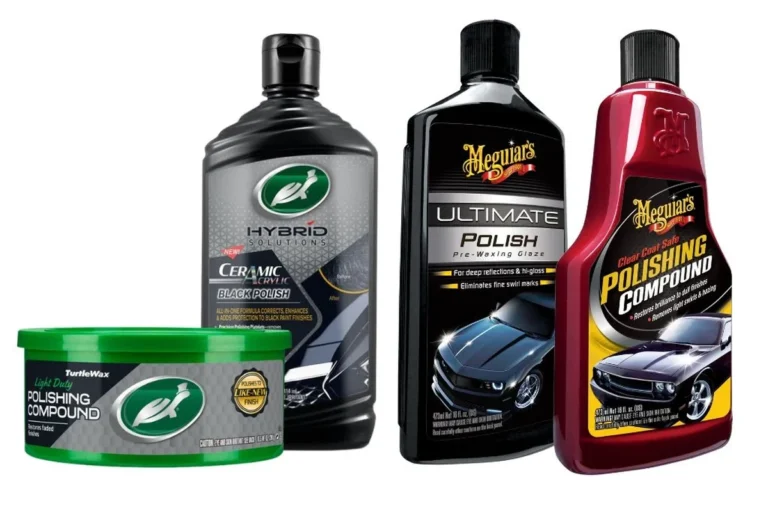
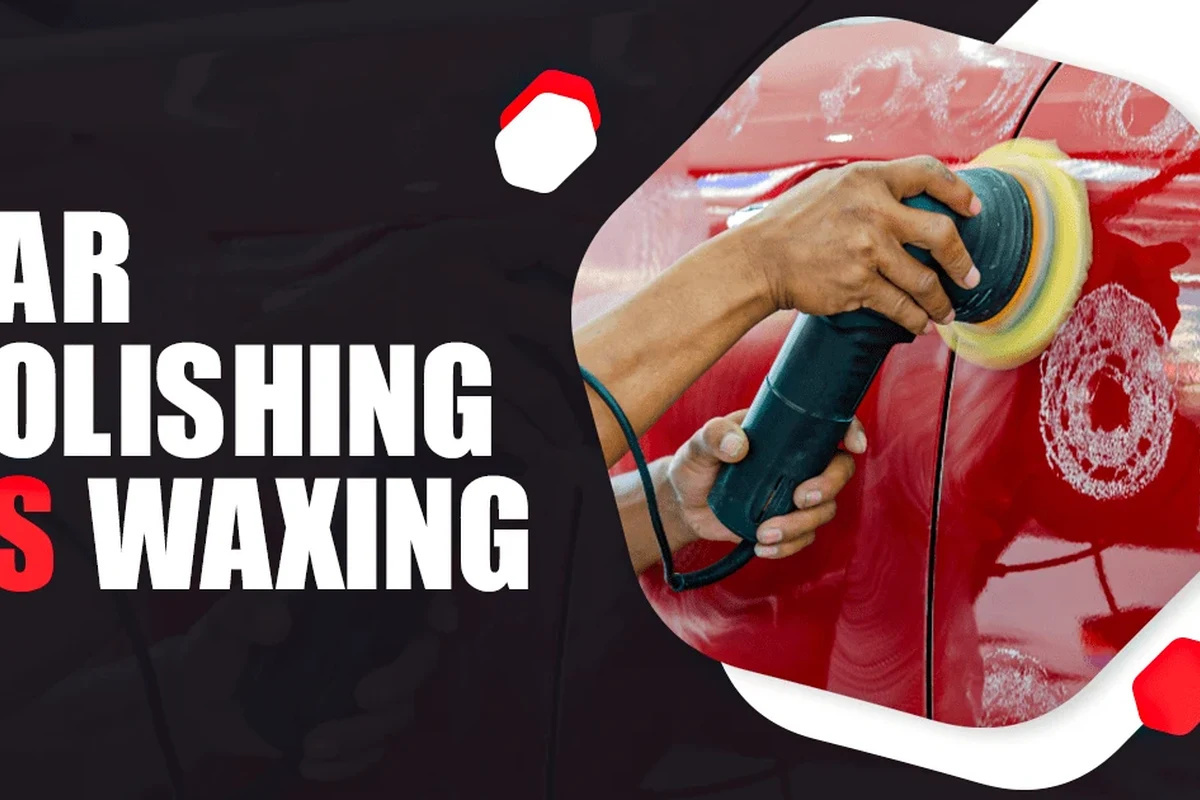
Polishing typically requires a dual-action polisher or orbital buffer, along with various grades of polish. It’s essential to choose products compatible with your vehicle’s paint type for optimal results. Always use clean, high-quality pads and cloths to prevent contamination.
Tools and Products for Waxing
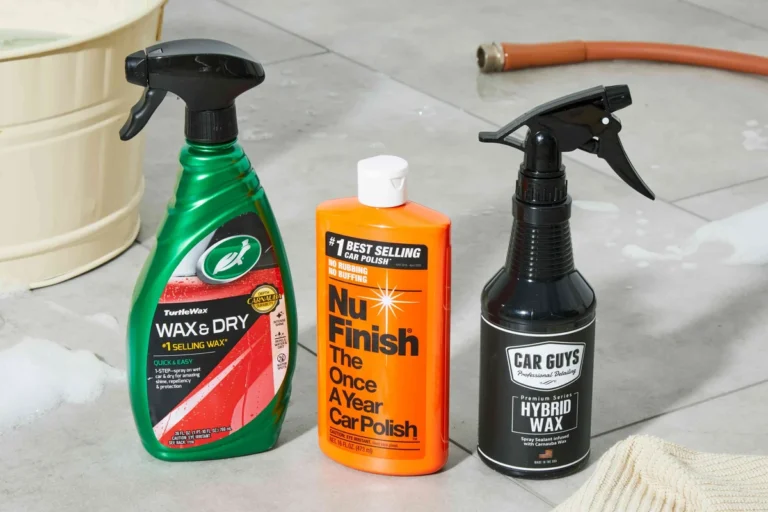
Waxing can be done by hand or with a buffer. High-quality waxes, whether natural or synthetic, should be chosen based on your vehicle’s needs. Microfiber applicators and towels are recommended for even application and removal. For related context, read car valet kit cleaning kits.
Cost Considerations for Polishing vs Waxing
Understanding the cost differences between polishing and waxing can help you budget for your car detailing needs. Both methods have varying price points based on the products and tools used. For official guidance on this, see Consumer Reports car guidance.
Price Comparison of Popular Products
Polishing compounds tend to be more expensive than waxes. A decent polish can range from $15 to $50, while good waxes may range from $10 to $30. Also, consider the cost of applicators and tools when budgeting for each method. This area decision also connects with car washes that hand wash.
Always verify product compatibility with your vehicle’s paint type to avoid damage.
Best Fit Scenarios: When to Polish or Wax
Knowing when to use each method can maximize your car’s appearance and protection. Here are the ideal conditions for each process.
Ideal Conditions for Polishing
- When the paint has visible scratches or swirl marks.
- Before a significant event, such as a car show or sale.
- When the vehicle’s finish appears dull or oxidized.
Ideal Conditions for Waxing
After polishing to seal in the shine. For regular maintenance to protect the paint. Before a rainy season or exposure to harsh elements. For related context, read how to detail inside of car.
Final Verdict: Which Method Gives a Better Shine?
Ultimately, the choice between polishing vs waxing a car depends on your specific needs. Polishing offers a more significant improvement to the paint finish in terms of clarity and depth, while waxing provides essential protection and enhances shine. You can also use gifts for new car owners as the next practical guide.
For optimal results, consider using both methods in tandem during your detailing routine.
Regular maintenance practices, including polishing and waxing, can extend the life of your vehicle’s exterior significantly.
Polishing vs Waxing a Car: Which Method to Choose for Optimal Shine
To achieve the best shine and protection for your vehicle, start with polishing to correct paint imperfections, followed by waxing to enhance shine and provide a protective barrier.
Polishing restores clarity and depth, while waxing repels contaminants, ensuring your car looks vibrant and well-maintained.
- Assess your vehicle’s paint for scratches or dullness to determine if polishing is needed.
- After polishing, apply wax to seal in the shine and protect against elements.
- Regularly schedule both processes to maintain your car’s exterior and appearance.
This guide on polishing vs waxing a car is general information. Rules, fees, rents, salaries, service coverage, product details, and procedures can change, so confirm important points with the manufacturer, retailer, or official app documentation before acting.
Questions People Also Ask
Polishing focuses on correcting paint imperfections by using abrasive compounds to remove a thin layer of clear coat. This process effectively eliminates scratches, swirl marks, and oxidation, restoring the paint’s clarity and depth.
Waxing applies a protective layer over the paint that enhances shine and creates a barrier against UV rays, dirt, and contaminants. Unlike polishing, which corrects imperfections, waxing preserves the finish by repelling water and dirt.
Polishing results can last several months, depending on the product and technique used. In contrast, wax typically lasts about 4-6 weeks before needing reapplication, especially under harsh weather conditions.
Polishing is ideal when the paint has visible scratches, swirl marks, or appears dull or oxidized. It is also recommended before significant events, such as car shows or sales, to enhance the vehicle’s appearance.
Waxing can be done by hand or with a buffer, using high-quality waxes based on the vehicle’s needs. Microfiber applicators and towels are recommended for achieving an even application and easy removal of wax.
It’s essential to confirm the type of paint on your vehicle and check product compatibility to avoid damage. Also, comparing prices and features of different products can help you find the best options for your detailing needs.
Putting It All Together
Both polishing and waxing play crucial roles in car detailing, and understanding their differences can help you maintain your vehicle effectively. For the best results, use polishing to correct imperfections and waxing to protect and enhance shine.