Cost of Indoor Vehicle Storage vs Car Cover Which Is More
Choosing how to protect your vehicle can be a challenge, especially when considering factors like cost, convenience, and the level of protection offered. Indoor vehicle storage provides a secure environment free from the elements, while car covers offer a more portable solution that can be used anywhere.
When deciding between the cost of indoor vehicle storage vs car cover, it’s essential to weigh the benefits of each option. This article explores the costs, protection levels, and practicalities of both methods to help you make an informed choice.
- Understanding Vehicle Protection Options: Choosing how to protect your vehicle can be a challenge, especially when considering factors.
- Cost Comparison: Indoor Vehicle Storage: Understanding the financial implications of both indoor vehicle storage and car covers is crucial.
- Material Quality and Durability: Key: Material quality plays a significant role in the effectiveness and longevity of both indoor.
- Protection from Environmental Factors: Understanding how each option protects against environmental hazards is crucial for your decision-making..
- Maintenance and Cleaning Requirements: Maintenance is another factor to consider when choosing between indoor storage and car covers..
Understanding Vehicle Protection Options
Choosing how to protect your vehicle can be a challenge, especially when considering factors like cost, convenience, and the level of protection offered.
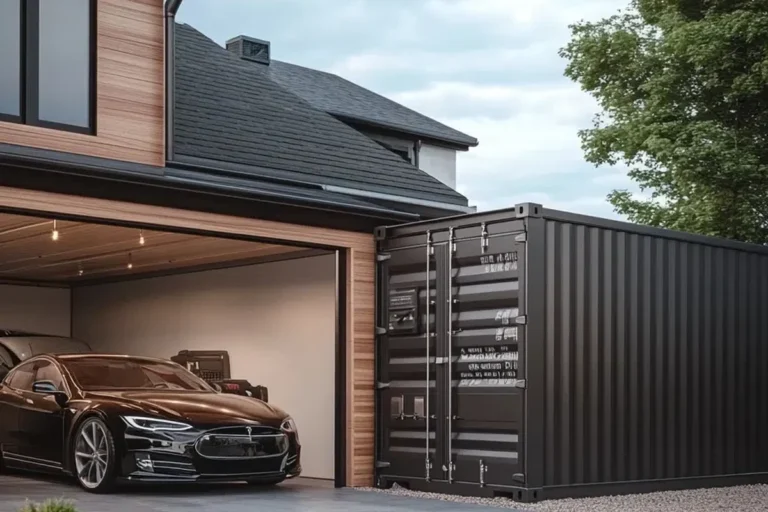
Indoor vehicle storage provides a secure environment free from the elements, while car covers offer a more portable solution that can be used anywhere. Here’s a closer look at the costs associated with each option. For related context, read clean the interior of a car 2.
| Option | Cost Factors | Level of Protection |
|---|---|---|
| Indoor Vehicle Storage | Monthly rent, location | High (secure, weather-resistant) |
| Car Cover | One-time purchase, material quality | Moderate (weather protection, portable) |
Cost Comparison: Indoor Vehicle Storage vs. Car Covers
Understanding the financial implications of both indoor vehicle storage and car covers is crucial for making the right choice. Here we break down the average costs associated with each option.
Average Costs of Indoor Vehicle Storage
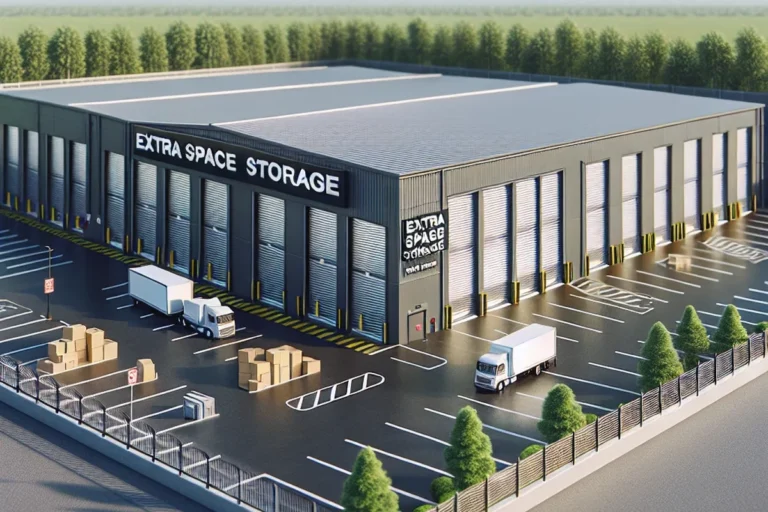
The cost of indoor vehicle storage can vary significantly based on location, amenities, and security features. On average, monthly rates range from $100 to $300, depending on the facility and region.
Some premium storage options may even exceed $500 per month in high-demand areas.
Typical Prices for Car Covers
Car covers are generally more affordable, with prices ranging from $20 to $300. The price often reflects the material quality and features, such as waterproofing and UV protection. Higher-end covers may include additional benefits, such as warranties or breathable fabrics. You can also use how to detail inside of car as the next practical guide.
| Option | Average Cost | Key Features |
|---|---|---|
| Indoor Vehicle Storage | $100 – $300/month | Secure, climate-controlled |
| Car Covers | $20 – $300 | Portable, various materials |
Comparison decisions are medium priority; size or vehicle-fit mismatches are the most common regret.
Material Quality and Durability: Key Differences
Material quality plays a significant role in the effectiveness and longevity of both indoor storage and car covers. Here’s a breakdown of what to expect from each.
Indoor Storage Specifications
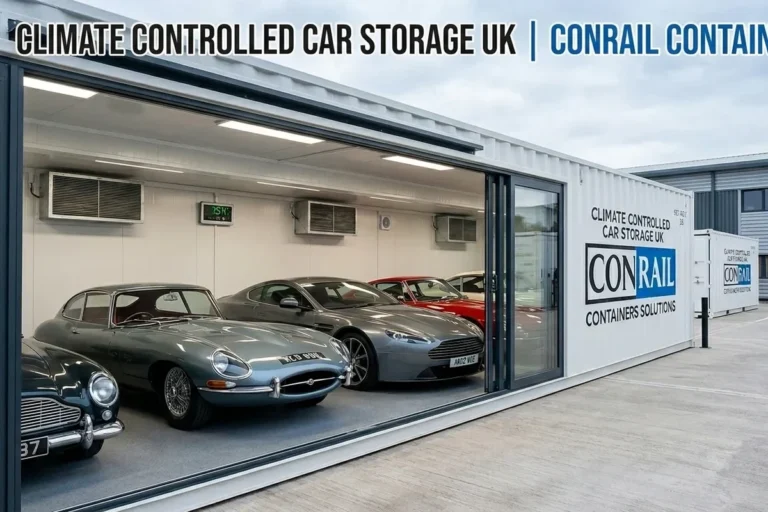
Indoor storage facilities typically feature climate control to maintain optimal conditions, reducing the risk of rust and mold. Facilities often provide additional security measures like surveillance cameras and gated access, which enhance protection against theft and damage. For related context, read back of seat car organiser.
Car Cover Material Types
Car covers come in various materials, including:
- Polyester: Lightweight and affordable, but less durable.
- Canvas: Provides good protection but can be heavy.
- Waterproof Fabrics: Ideal for wet climates, protecting against rain and snow.
- Breathable Materials: Prevent moisture buildup, reducing mold risk.
Regularly clean your car cover to maintain its protective qualities and extend its lifespan. Follow the manufacturer’s care instructions for best results.
Protection from Environmental Factors
Understanding how each option protects against environmental hazards is crucial for your decision-making. Here’s how indoor storage and car covers stack up against the elements. For official guidance on this, see NHTSA vehicle safety guidance.
How Indoor Storage Shields Your Vehicle
Indoor storage offers comprehensive protection from environmental factors like rain, snow, hail, and UV rays. The controlled climate prevents temperature extremes that can lead to paint damage and interior wear.
Car Covers: Protection from Elements
While car covers provide a level of protection against dust, rain, and UV rays, their effectiveness can vary based on material quality. High-quality covers can shield against most elements, but they may not offer the same level of security as indoor storage. You can also use clean the inside of a car as the next practical guide.
Maintenance and Cleaning Requirements
Maintenance is another factor to consider when choosing between indoor storage and car covers. Each option has its own cleaning and upkeep requirements.

Indoor Storage Maintenance Overview
Indoor storage facilities typically require minimal maintenance from the vehicle owner. However, it’s essential to periodically check on your vehicle, ensuring that it remains clean and in good condition. Regular inspections can help prevent issues like battery drainage or tire flat spots.
Cleaning and Care for Car Covers
Car covers need regular cleaning to prevent dirt and grime buildup. Most covers can be machine washed, but always check the manufacturer’s instructions for specific care guidelines. Proper cleaning helps maintain the cover’s protective qualities and extends its lifespan. For related service checks, see clean the interior of a car.
Straps stretch, panels sag, and cleaning pads wear down with daily use, so weigh how the item holds up over months rather than judging it on the first week.
Best-Fit Scenarios for Each Option
Determining the best fit for your needs involves understanding the scenarios where each option excels. Here’s a breakdown of when to choose indoor storage or a car cover.
When to Choose Indoor Storage
Indoor vehicle storage is ideal for:
Owners in areas with extreme weather conditions. Long-term storage needs where security is a priority. Classic or luxury vehicles needing protection from environmental factors. You can also use car valet kit cleaning kits as the next practical guide.
When a Car Cover is the Better Choice
A car cover may be more suitable when:
- On a budget for vehicle protection.
- Your vehicle is parked outside for short periods.
- You require a portable solution for travel or temporary protection.
Short-term outdoor protection.
All vehicle types, including sedans, SUVs, and trucks.
Check dimensions to ensure it covers your vehicle completely.
Balanced Verdict: Which Option is Right for You?
Both indoor vehicle storage and car covers have their pros and cons. If you prioritize maximum protection and security, indoor storage may be worth the investment. For official guidance on this, see EPA Safer Choice cleaning product standards.
Conversely, if you’re looking for a budget-friendly and portable option, a car cover can suffice for short-term use. For related context, read car washes that hand wash.
Cost of Indoor Vehicle Storage vs Car Cover: Making the Right Choice
When weighing the cost of indoor vehicle storage against a car cover, consider your vehicle’s protection needs, budget, and storage duration.
Indoor storage offers superior security and climate control, ideal for classic or luxury cars, while car covers provide a more affordable, portable solution for short-term use. Assess these factors to determine which option best suits your situation.
Evaluate your budget and the average costs associated with each option. Consider the level of protection needed based on your vehicle’s condition and local weather. Determine whether you require a long-term storage solution or temporary outdoor protection. This area decision also connects with car detailing near me yelp.
This guide on cost of indoor vehicle storage vs car cover is general information. Rules, fees, rents, salaries, service coverage, product details, and procedures can change, so confirm important points with the manufacturer, retailer, or official app documentation before acting.
Questions Worth Asking
The average monthly rates for indoor vehicle storage range from $100 to $300, depending on the facility and region. In high-demand areas, some premium options may exceed $500 per month.
Car covers typically range in price from $20 to $300, with the cost largely depending on the material quality and features. Higher-end covers may offer additional benefits like warranties or advanced protective qualities.
Indoor vehicle storage offers comprehensive protection from environmental factors such as rain, snow, hail, and UV rays, while also maintaining a controlled climate to prevent temperature extremes. This reduces the risk of damage such as rust and mold to your vehicle.
Indoor storage facilities require minimal maintenance from the vehicle owner, though it’s important to periodically check on the vehicle to ensure it remains clean and in good condition. Regular inspections can help prevent issues like battery drainage or tire flat spots.
A car cover is more suitable for those on a budget or when the vehicle is parked outside for short periods. It also offers a portable solution for temporary protection, making it convenient for travel.
Car covers require regular cleaning to prevent dirt and grime buildup, with most covers being machine washable. It’s essential to follow the manufacturer’s care instructions to maintain the cover’s protective qualities and extend its lifespan.
Closing Thoughts
Deciding between the cost of indoor vehicle storage vs car cover ultimately depends on your specific needs and circumstances. Consider factors like budget, location, and the level of protection required for your vehicle.
Weigh your options carefully to ensure you choose the best solution for your vehicle’s safety.