Polish Compound vs Rubbing Compound Which One Is Right
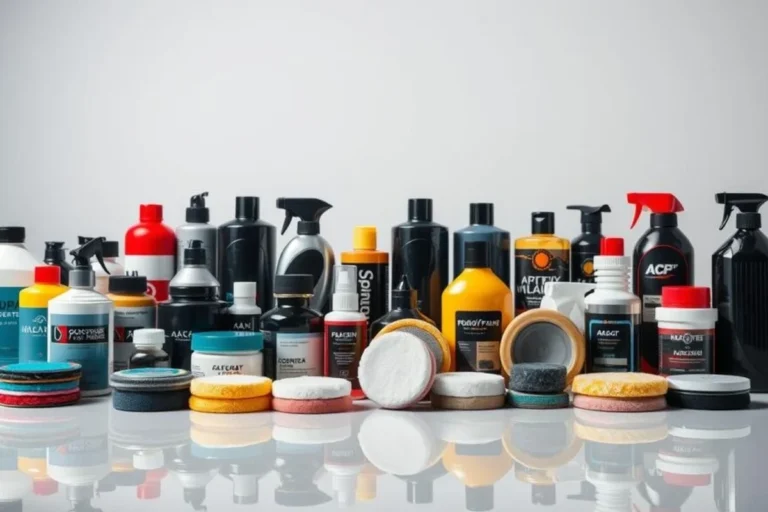
Both polish and rubbing compounds serve to enhance a vehicle’s appearance, but they have distinct purposes. Polish compounds are designed for light surface imperfections, while rubbing compounds tackle deeper scratches and oxidation.
Choosing between polish compound vs rubbing compound can significantly affect your car’s finish. Understanding their differences and applications helps you make an informed decision for your detailing needs.
- Understanding the Basics: Polish Compound: Both polish and rubbing compounds serve to enhance a vehicle’s appearance, but they have.
- Key Distinctions Between Polish and: Understanding the differences in material composition and application methods will help you choose the.
- Best-Use Scenarios for Each Compound: Knowing when to use each type of compound is crucial for effective car detailing..
- Durability and Effectiveness Comparison: When comparing durability and effectiveness, it’s essential to consider the intended use of each.
- Price Points: What to Expect: Price can vary significantly based on brand and formulation..
Understanding the Basics: Polish Compound vs Rubbing Compound
Both polish and rubbing compounds serve to enhance a vehicle’s appearance, but they have distinct purposes. Polish compounds are designed for light surface imperfections, while rubbing compounds tackle deeper scratches and oxidation.
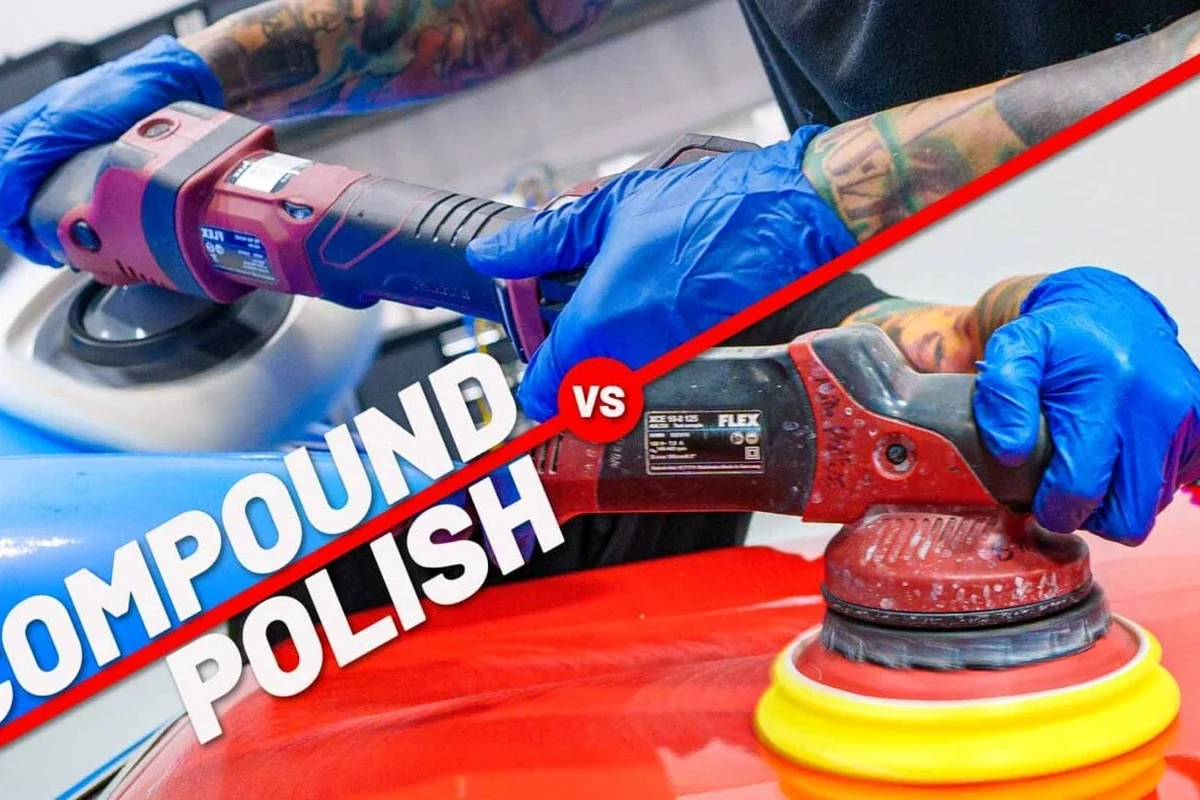
Best-Use Scenarios for Polish and Rubbing Compounds
Knowing when to use polish compounds versus rubbing compounds can significantly enhance the results of your car detailing efforts. Here’s a quick guide to help you choose the right compound for your specific needs. For related context, read car valet kit cleaning kits.
- Use Polish Compound for light scratches, swirl marks, and minor oxidation to enhance the gloss without removing excessive paint.
- Apply Rubbing Compound for deep scratches or severe oxidation, as it effectively removes a layer of clear coat for significant paint correction.
- Consider Polish Compound for final finishing stages after using a rubbing compound to achieve a smooth, glossy surface.
- Opt for Rubbing Compound when restoring heavily weathered finishes that require extensive correction.
- Evaluate the condition of your car’s paint to determine if a less aggressive Polish Compound or a more powerful Rubbing Compound is necessary.
| Type | Purpose |
|---|---|
| Polish Compound | Designed for light surface imperfections |
| Rubbing Compound | Tackles deeper scratches and oxidation |
Use this guide for polish compound vs rubbing compound as a decision framework, then adapt it to your vehicle, budget, and how you actually drive.
Key Distinctions Between Polish and Rubbing Compounds
Understanding the differences in material composition and application methods will help you choose the right product for your needs.
Material Composition
Polish compounds generally contain finer abrasives compared to rubbing compounds. This makes polish ideal for achieving a glossy finish without removing excessive paint material. Rubbing compounds, on the other hand, use coarser abrasives designed for heavy-duty correction tasks. For official guidance on this, see EPA Safer Choice cleaning product standards.
Application Method
Application methods can vary, but both compounds can be applied by hand or with a machine buffer. However, rubbing compounds usually require more careful handling due to their aggressive nature, which can lead to paint damage if not used properly. You can also use car washes that hand wash as the next practical guide.
Measure the trunk floor, seat back, or console opening in your own vehicle before ordering, then check that number against the listed product dimensions rather than the product photo.
Best-Use Scenarios for Each Compound
Knowing when to use each type of compound is crucial for effective car detailing. Here are some recommended scenarios for each option.
When to Use Polish Compound
Polish compounds are best suited for light scratches, swirl marks, and minor oxidation. Use them when you want to enhance the gloss of your paint without removing too much material. They’re also suitable for final finishing stages after using a rubbing compound.
When to Use Rubbing Compound
Rubbing compounds excel in situations where significant paint correction is needed. Use them for deep scratches, severe oxidation, or to restore heavily weathered finishes. They effectively remove a layer of clear coat to achieve a smoother surface. For related context, read clean the interior of a car 2.
Durability and Effectiveness Comparison
When comparing durability and effectiveness, it’s essential to consider the intended use of each compound. Rubbing compounds are generally more effective for deep corrections but can leave a rougher surface that may require additional polishing to achieve a high gloss. For official guidance on this, see Consumer Reports car guidance.
Polish compounds, while less aggressive, can provide a lasting shine with proper application and care. This area decision also connects with car detailing near me yelp.
Confirm exact size, material, and vehicle-fit requirements using the manufacturer’s official documentation before buying or installing.
Price Points: What to Expect
Price can vary significantly based on brand and formulation. Generally, rubbing compounds may be slightly more expensive due to their stronger abrasives and specialized formulations. Polish compounds are often less costly, making them an accessible option for routine maintenance. For related context, read how to detail inside of car.

Straps stretch, panels sag, and cleaning pads wear down with daily use, so weigh how the item holds up over months rather than judging it on the first week.
Safety Considerations When Using Compounds
Safety should always be a priority when using chemical compounds. Ensure proper ventilation when using these products, and wear gloves to avoid skin irritation. Be cautious of applying too much pressure while buffing, as this can lead to paint damage or overheating. This also connects with gifts for new car owners before you pay, sign, or book.
Conclusion: Which Compound is Right for You?
Deciding between polish compound vs rubbing compound depends on your specific detailing needs. If you’re dealing with minor imperfections, polish is your best bet. For more significant paint correction, opt for a rubbing compound. For related context, read car organizer for back seat.
Choosing Between Polish Compound vs Rubbing Compound
When deciding between polish compound and rubbing compound, consider the severity of the imperfections on your vehicle’s paint. Polish compounds are ideal for light scratches and swirl marks, enhancing gloss without excessive material removal.
In contrast, rubbing compounds are suited for deep scratches and severe oxidation, effectively correcting significant paint issues. Understanding these distinctions will help you achieve the best results for your car detailing project. This area decision also connects with car seat organizer front seat.
- Assess the depth of scratches or oxidation on your vehicle’s surface.
- Use polish compound for final finishing after applying rubbing compound.
- Prioritize safety by ensuring proper ventilation and using gloves during application.
This guide on polish compound vs rubbing compound is general information. Rules, fees, rents, salaries, service coverage, product details, and procedures can change, so confirm important points with the manufacturer, retailer, or official app documentation before acting.
A Few More Questions
Polish compounds are designed for correcting light surface imperfections, such as minor scratches and swirl marks. Rubbing compounds, on the other hand, are used for more severe paint corrections, including deep scratches and heavy oxidation.
Polish compounds typically contain finer abrasives, making them suitable for achieving a glossy finish without excessive material removal. In contrast, rubbing compounds use coarser abrasives that are intended for heavy-duty correction tasks.
Both polish and rubbing compounds can be applied by hand or with a machine buffer. However, rubbing compounds require more careful handling due to their aggressive nature, which can potentially damage the paint if not used correctly.
Polish compounds are best used for light scratches, swirl marks, and minor oxidation, especially when enhancing gloss. They are also ideal for final finishing stages after a rubbing compound has been applied.
Rubbing compounds are generally more effective for deep corrections but may leave a rougher surface that requires subsequent polishing. Polish compounds, while less aggressive, can provide a lasting shine with proper application and care.
It’s essential to ensure proper ventilation and wear gloves to avoid skin irritation while using these compounds. Also, be cautious of applying too much pressure during buffing, as it can lead to paint damage or overheating.
Closing Thoughts
Ultimately, understanding the differences and appropriate applications of polish and rubbing compounds will lets you maintain your vehicle’s appearance effectively. Choose wisely based on your car’s condition and your detailing goals.