Buff vs Polish Car Which Method Gives Your Ride a Showroom
Both buffing and polishing are popular techniques in car detailing, but they serve different purposes. Buffing is primarily about correcting imperfections, while polishing focuses on enhancing the vehicle’s gloss and providing a protective layer.
When debating buff vs polish car, it’s essential to know that buffing typically removes a layer of paint for a smoother finish, while polishing enhances shine and protects the surface.
Understanding these differences can help you decide which method suits your vehicle’s needs.
- Understanding Buffing vs Polishing for: Both buffing and polishing are popular techniques in car detailing, but they serve different.
- Buff vs Polish Car: Key: Understanding the distinctions between buffing and polishing can clarify which method will yield the.
- Benefits of Buffing Your Car: Buffing offers several advantages, particularly for vehicles that have seen better days..
- Advantages of Polishing Your Vehicle: While buffing is effective, polishing has its own set of benefits..
- Cost Comparison: Buffing vs Polishing: When considering buffing vs polishing car services, cost can play a significant role in.
Understanding Buffing vs Polishing for Your Car
Both buffing and polishing are popular techniques in car detailing, but they serve different purposes. Buffing is primarily about correcting imperfections, while polishing focuses on enhancing the vehicle’s gloss and providing a protective layer. For another location comparison, read car detailing near me yelp.
Knowing when to use each method can significantly affect the appearance of your car.
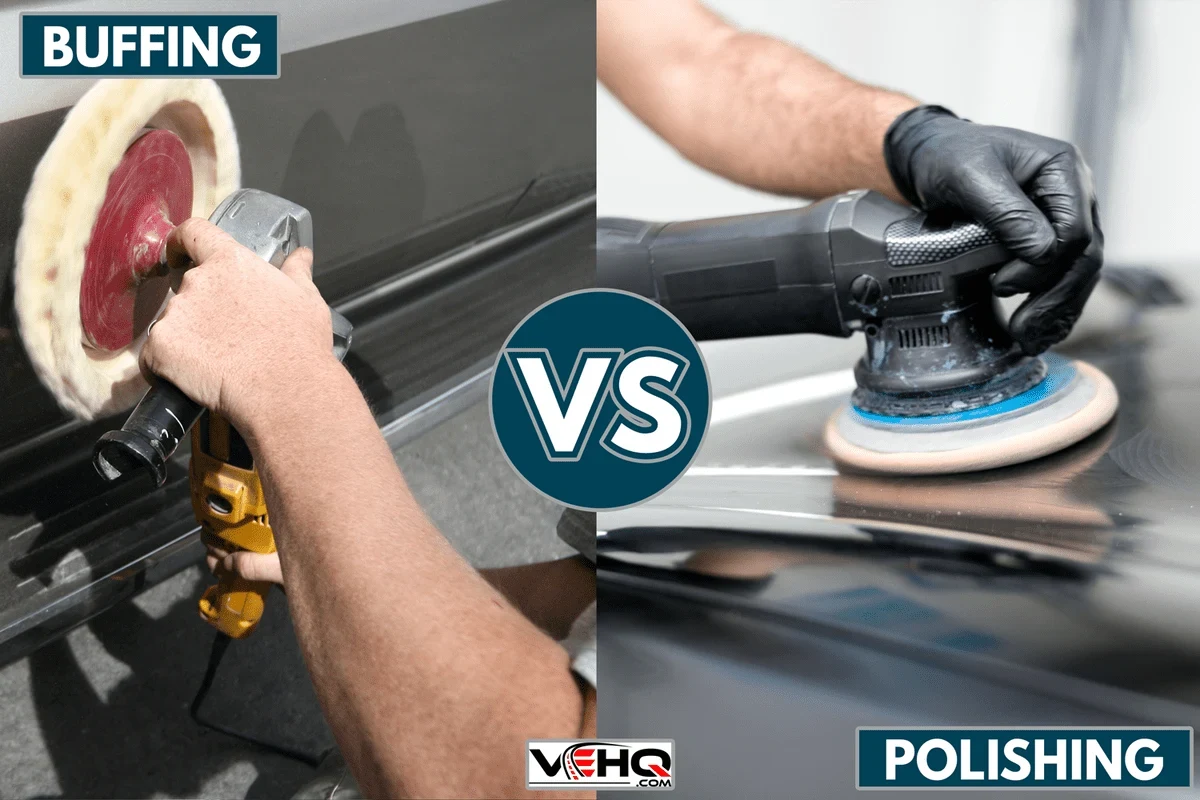
| Technique | Purpose |
|---|---|
| Buffing | Correcting imperfections |
| Polishing | Enhancing gloss and providing protection |
Buff vs Polish Car: Key Differences Explained
Understanding the distinctions between buffing and polishing can clarify which method will yield the best results for your vehicle. Each technique has its unique applications, advantages, and limitations.
What is Buffing?
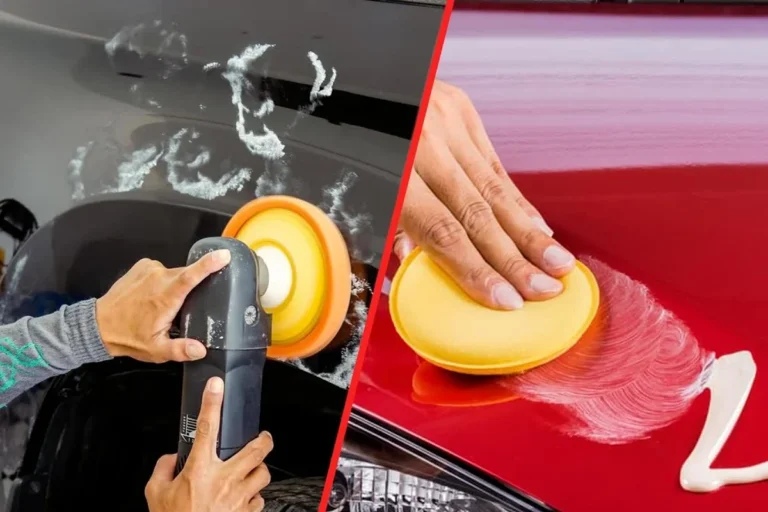
Buffing involves using a buffer, often with a coarse pad and abrasive compounds, to remove a thin layer of the car’s paint. This process helps eliminate scratches, swirl marks, and oxidation, resulting in a smoother surface.
Buffing is typically more aggressive and can be risky if not done correctly, as it may damage the paint if excessive pressure or heat is applied. For official guidance on this, see EPA Safer Choice cleaning product standards.
What is Polishing?
Polishing, on the other hand, uses finer pads and less abrasive products to enhance the vehicle’s shine. This method smooths the surface and adds a protective layer, making it ideal for maintaining a glossy finish.
Polishing is usually safer for the paint, as it does not remove as much material as buffing and is less likely to cause damage. You can also use clean the interior of a car 2 as the next practical guide.
Confirm exact size, material, and vehicle-fit requirements using the manufacturer’s official documentation before buying or installing.
Benefits of Buffing Your Car
Buffing offers several advantages, particularly for vehicles that have seen better days. It can restore depth and clarity to the paint while reducing the appearance of imperfections. For related context, read clean the inside of a car.
- Effective Paint Correction: Buffing can significantly reduce the appearance of scratches and swirl marks.
- Restores Gloss: It enhances the paint’s shine, making the car look newer.
- Deep Cleaning: Buffing can remove oxidation and dirt embedded in the paint surface.
Prices, availability, colors, and listed vehicle fitment can differ by retailer, model year, and the date you check.
Advantages of Polishing Your Vehicle
While buffing is effective, polishing has its own set of benefits. It is a gentler method that focuses on enhancing the car’s aesthetic appeal.
Protection: Polishing adds a protective layer to the paint, helping to shield it from environmental factors. Enhanced Shine: This method brings out the depth of color and gloss in the vehicle’s paint. Less Risk: Polishing is less abrasive than buffing, reducing the chances of damaging the paint.
Material Quality and Methodology
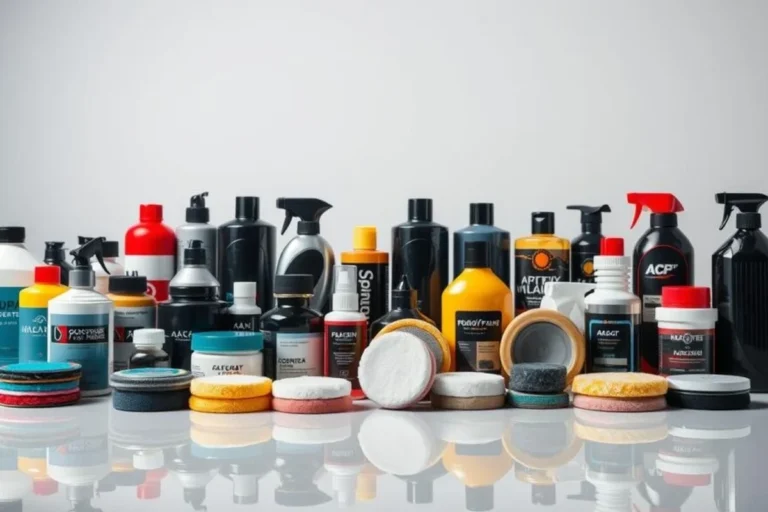
The materials used in buffing and polishing vary significantly. Buffing typically uses coarser pads and more abrasive materials, while polishing employs finer pads and less aggressive compounds.
Choosing the right products for each method is crucial for achieving the desired results without damaging the vehicle. You can also use things to keep in your car as the next practical guide.
Cost Comparison: Buffing vs Polishing
When considering buffing vs polishing car services, cost can play a significant role in your decision. Buffing services generally cost more due to the materials and labor involved. For official guidance on this, see Consumer Reports car guidance.
Also, the price may vary based on the vehicle’s size and condition. Understanding the costs associated with each method can help you budget accordingly. For another location comparison, read clean the interior of a car.
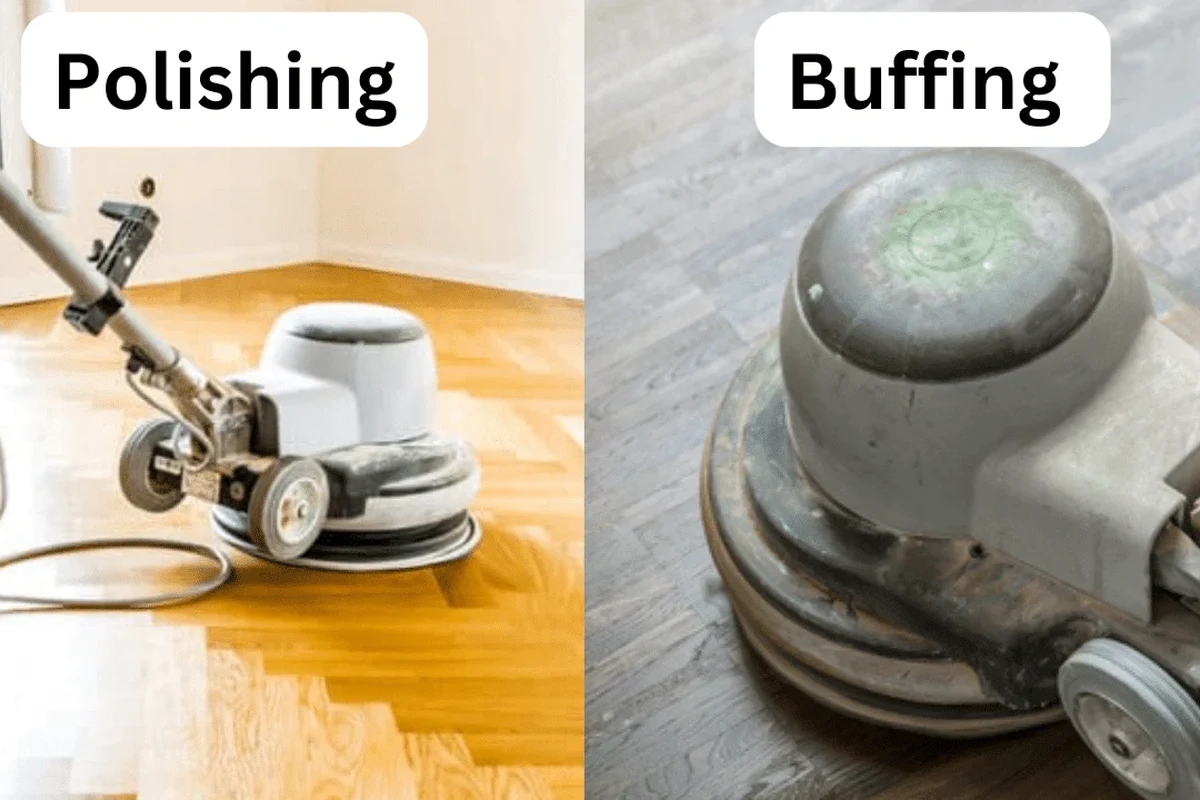
Worth Remembering: Save screenshots, order confirmations, and the manufacturer’s fitment and care page so you can compare what was promised with what actually arrives.
Best Scenarios for Buffing and Polishing
Knowing when to buff or polish your car can maximize results. Buffing is ideal for older vehicles with noticeable paint imperfections, while polishing is better suited for newer cars or those in good condition that simply need a shine boost. You can also use car valet kit cleaning kits as the next practical guide.
- Buffing: Best for older cars, vehicles with deep scratches, or those needing paint correction.
- Polishing: Ideal for newer vehicles, cars regularly maintained, or those needing a quick shine.
- Buffing servicesTypically higher due to materials and labor.
- Polishing servicesGenerally lower, especially for maintenance.
Final Verdict: Which Method is Right for You?
The choice between buffing and polishing ultimately depends on the condition of your vehicle and your desired outcome. If your car has significant paint damage, buffing may be the way to go.
However, if you’re looking to maintain a shine while protecting the paint, polishing is the better option. For related context, read car washes that hand wash.
Buff vs Polish Car: Choosing the Right Method for Your Vehicle
When deciding between buffing and polishing your car, consider the condition of your vehicle and desired outcomes. Buffing is ideal for correcting deep scratches and imperfections in older cars, while polishing enhances the shine and protects the surface of newer vehicles.
Understanding these techniques ensures you choose the method that best suits your car’s needs.
Assess your car’s paint condition to determine if buffing or polishing is needed. Use buffing for older vehicles with noticeable imperfections. Opt for polishing to maintain and enhance the shine of newer cars. This area decision also connects with how to detail inside of car.
This guide on buff vs polish car is general information. Rules, fees, rents, salaries, service coverage, product details, and procedures can change, so confirm important points with the manufacturer, retailer, or official app documentation before acting.
Questions People Also Ask
Buffing removes a layer of paint to correct imperfections, while polishing enhances the vehicle’s shine and adds a protective layer. Understanding these differences can help you choose the best method for your car’s needs.
Buffing is ideal for older cars, vehicles with deep scratches, or those requiring paint correction. This method effectively restores depth and clarity to the paint surface.
Polishing provides a gentler method that enhances the car’s aesthetic appeal without removing as much material as buffing. It also adds a protective layer to the paint, reducing the risk of damage.
Buffing services are generally higher in cost due to the materials and labor involved. In contrast, polishing services are typically lower, especially for regular maintenance on well-maintained vehicles.
Buffing typically utilizes coarser pads and more abrasive materials, while polishing employs finer pads and less aggressive compounds. Choosing the right products is crucial for achieving the desired results without damaging the vehicle.
Consider the condition of your vehicle and your desired outcome; buffing is best for significant paint damage, while polishing is suitable for maintaining shine. Assessing these factors will help you make an informed decision.
Closing Thoughts
Understanding the differences between buffing and polishing can help you make an informed decision for your car. Each method has its unique benefits and drawbacks, so assess your vehicle’s condition and your goals before choosing the appropriate technique.