Unibody vs Body on Frame Which Design Is Better
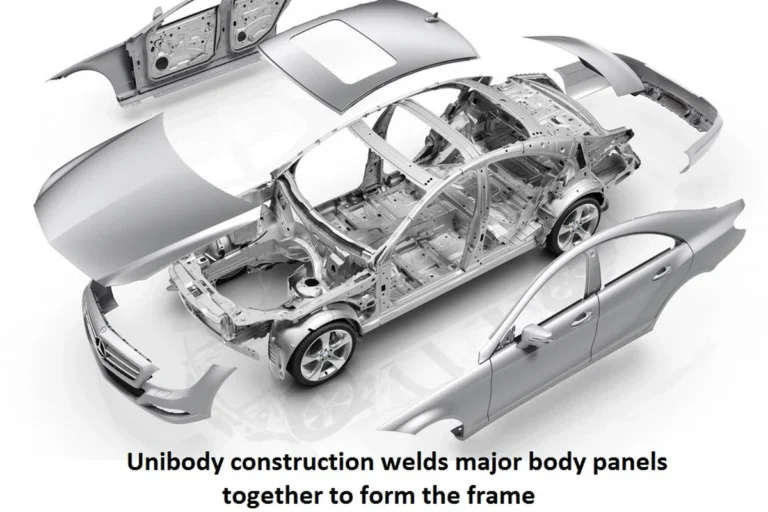
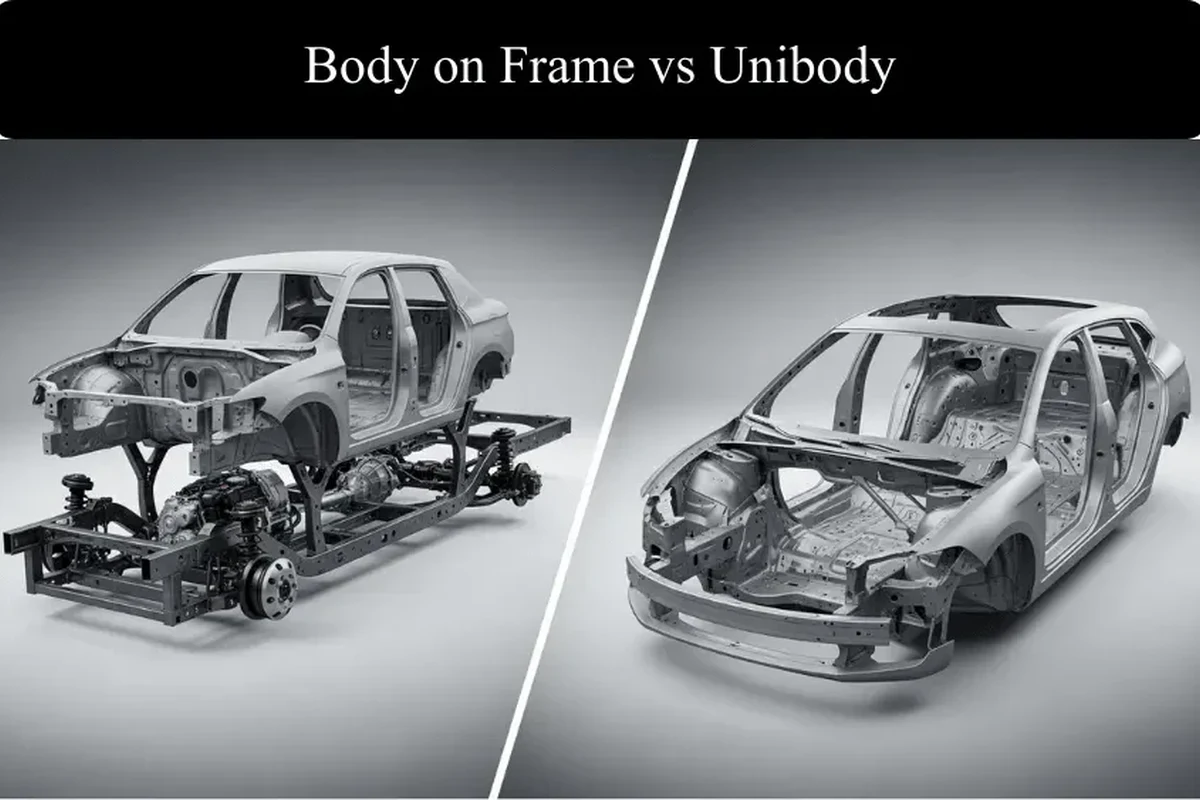
The key difference between unibody and body-on-frame construction lies in how the vehicle’s structure is built. Unibody vehicles integrate the body and frame into a single piece, while body-on-frame designs separate the two, impacting durability, weight, and handling.
The debate of unibody vs body on frame centers on vehicle design and its implications for performance and safety. Understanding these differences helps buyers make informed decisions based on their needs and driving habits.
- Understanding Vehicle Construction: Unibody vs.: The key difference between unibody and body-on-frame construction lies in how the vehicle’s structure.
- The Core Differences Between Unibody: To understand which design suits your needs, it’s essential to examine the unique characteristics.
- Advantages and Disadvantages of Unibody: Each construction type has its pros and cons that can influence your buying decision.
- Advantages and Disadvantages of Body-on-Frame: Understanding the strengths and weaknesses of body-on-frame vehicles can help determine if this design.
- Performance and Safety: Which Design: Performance and safety can be critical factors in choosing between unibody and body-on-frame vehicles..
Understanding Vehicle Construction: Unibody vs. Body-on-Frame
The key difference between unibody and body-on-frame construction lies in how the vehicle’s structure is built. Unibody vehicles integrate the body and frame into a single piece, while body-on-frame designs separate the two, impacting durability, weight, and handling. For another location comparison, read car valet kit cleaning kits.
| Construction Type | Integration | Impact on Durability | Weight | Handling |
|---|---|---|---|---|
| Unibody | Integrated body and frame | Generally lower durability | Lighter weight | Improved handling |
| Body-on-Frame | Separate body and frame | Higher durability | Heavier weight | Potentially less agile |
Daily drivers or off-road enthusiasts.
Sedans, SUVs, trucks, or specific vehicle types.
Check your vehicle’s construction type.
The Core Differences Between Unibody and Body-on-Frame Designs
To understand which design suits your needs, it’s essential to examine the unique characteristics of each construction method.
What is Unibody Construction?
Unibody construction is a design where the vehicle’s body and frame are combined into a single unit. This method is commonly used in sedans, compact cars, and crossovers, promoting lighter weight and improved fuel efficiency. For official guidance on this, see Consumer Reports car guidance.
Understanding Body-on-Frame Construction
Body-on-frame construction features a separate body mounted on a rigid frame. This design is typical in trucks and SUVs, providing enhanced durability and load capacity, making it suitable for heavy-duty applications. You can also use car washes that hand wash as the next practical guide.
Advantages and Disadvantages of Unibody Vehicles
Each construction type has its pros and cons that can influence your buying decision based on intended use and driving conditions.
Pros of Unibody Design
- Lighter Weight: Generally, unibody vehicles are lighter, which can lead to better fuel efficiency.
- Improved Handling: The integrated structure offers better rigidity, enhancing overall handling and ride comfort.
- Better Crash Safety: Unibody designs often feature crumple zones, which can improve passenger safety in collisions.
Cons of Unibody Design
Less Towing Capacity: Unibody vehicles typically have lower towing and payload capacities compared to body-on-frame counterparts. Repair Costs: Damage to the body can lead to more expensive repairs since the body and frame are one piece. For related context, read clean the interior of a car 2.
Note that exact figures vary by model and should be confirmed on the current listing.
Advantages and Disadvantages of Body-on-Frame Vehicles
Understanding the strengths and weaknesses of body-on-frame vehicles can help determine if this design fits your lifestyle.
Pros of Body-on-Frame Design
- Higher Durability: This design provides superior strength, making it ideal for off-road and heavy-duty use.
- Better Load Capacity: Body-on-frame vehicles can handle greater payloads and towing, suitable for trucks and SUVs.
- Easier Repairs: In case of damage, repairs can often be localized to the body or frame, potentially lowering costs.
Cons of Body-on-Frame Design
Heavier Weight: These vehicles are generally heavier, which can affect fuel efficiency. Poorer Handling: The separate frame can lead to less responsive handling compared to unibody designs. You can also use car detailing near me yelp as the next practical guide.
Consider how the vehicle holds up after regular use; unibody may show wear differently than body-on-frame.
Performance and Safety: Which Design Holds Up Better?
Performance and safety can be critical factors in choosing between unibody and body-on-frame vehicles. Unibody models often excel in crash safety due to their design, while body-on-frame vehicles may provide better performance in rugged environments. For related risk checks, compare this with how to detail inside of car.
- Consider your cargo and towing needs.
- Evaluate repair costs for each design.
- Assess your typical driving conditions.
Cost Considerations: Maintenance and Repair
Maintenance and repair costs can differ significantly between unibody and body-on-frame vehicles. Unibody designs may incur higher costs due to their integrated structure, while body-on-frame vehicles can allow for more straightforward repairs. Use gifts for new car owners to compare scope, quotes, and provider questions.

Best-Fit Scenarios for Each Vehicle Design
Identifying the best fit for your needs can guide your decision-making process. Here’s a look at which scenarios are ideal for each construction type. For related context, read car organizer for back seat.
- Unibody: Best for daily commuters, families, and city drivers who prioritize fuel efficiency and safety.
- Body-on-Frame: Ideal for heavy-duty users, off-road enthusiasts, and those requiring towing capabilities.
Choosing between unibody and body-on-frame ultimately depends on your unique driving needs and lifestyle. Evaluate how each design aligns with your preferences.
Conclusion: Choosing the Right Design for Your Needs
Ultimately, the choice between unibody and body-on-frame designs depends on your specific needs and how you plan to use the vehicle. Consider your lifestyle, driving conditions, and what you prioritize most in a vehicle. You can also use car seat organizer front seat as the next practical guide.
Deciding Between Unibody and Body-on-Frame Vehicle Designs
When choosing between unibody and body-on-frame vehicles, consider your driving needs. Unibody designs are ideal for daily commuters and families seeking fuel efficiency and crash safety, while body-on-frame options excel in durability and towing capacity, catering to heavy-duty users and off-road enthusiasts. For official guidance on this, see US Department of Energy fuel economy tips.
Assess your typical driving conditions and requirements. Evaluate the vehicle’s cargo and towing capabilities. Consider maintenance and repair costs associated with each design.
This guide on unibody vs body on frame is general information. Rules, fees, rents, salaries, service coverage, product details, and procedures can change, so confirm important points with the manufacturer, retailer, or official app documentation before acting.
Questions Worth Asking
Unibody construction offers a lighter weight, which can enhance fuel efficiency, as well as improved handling due to its integrated structure. Also, it typically features crumple zones, contributing to better crash safety for passengers.
Body-on-frame construction provides superior strength, making it ideal for off-road and heavy-duty use. This design allows for greater payloads and towing capabilities, especially suitable for trucks and SUVs.
Repairing unibody vehicles can be more expensive because damage to the body affects the entire integrated structure. This means that any repair work often requires more labor and potentially higher costs compared to body-on-frame vehicles.
Unibody design is best suited for daily commuters, families, and city drivers who prioritize fuel efficiency and safety. These vehicles are generally designed for urban environments rather than heavy-duty applications.
Body-on-frame vehicles often exhibit poorer handling due to the separate frame, which can lead to less responsive driving dynamics. This can be a disadvantage for those who prioritize performance and agility in their driving experience.
Maintenance and repair costs can vary significantly, with unibody designs typically incurring higher expenses due to their integrated structure. In contrast, body-on-frame vehicles can allow for more straightforward repairs, potentially leading to lower costs.
Closing Thoughts
Understanding the unibody vs body on frame debate can significantly influence your vehicle choice. Each design has its unique benefits and limitations, making it essential to consider your personal requirements before making a decision.