Car Seat Seat Belt vs Latches Which Is Safer for Your Child
Car seat safety is a top priority for parents. Both seat belts and latches serve to secure car seats, but they do so in different ways.
Understanding the difference between car seat seat belts and latches is crucial for ensuring your child’s safety. This article explores which option is safer, comparing their installation, durability, and maintenance needs to help parents make informed choices.
- Understanding Car Seat Safety: Seat: Car seat safety is a top priority for parents..
- Car Seat Seat Belts vs.: Both seat belts and latches play crucial roles in keeping your child safe in.
- Material Quality and Durability: Seat: Seat belts are typically made from high-strength polyester or nylon, designed to withstand significant.
- Installation and Ease of Use: Installation ease is a significant factor for parents..
- Maintenance and Cleaning Considerations: Both systems require minimal maintenance, but cleaning can vary..
Understanding Car Seat Safety: Seat Belts vs. Latches
Car seat safety is a top priority for parents. Both seat belts and latches serve to secure car seats, but they do so in different ways. Understanding these two systems can guide you in choosing the safest option for your child.
Key Considerations for Choosing Between Car Seat Seat Belts and Latches
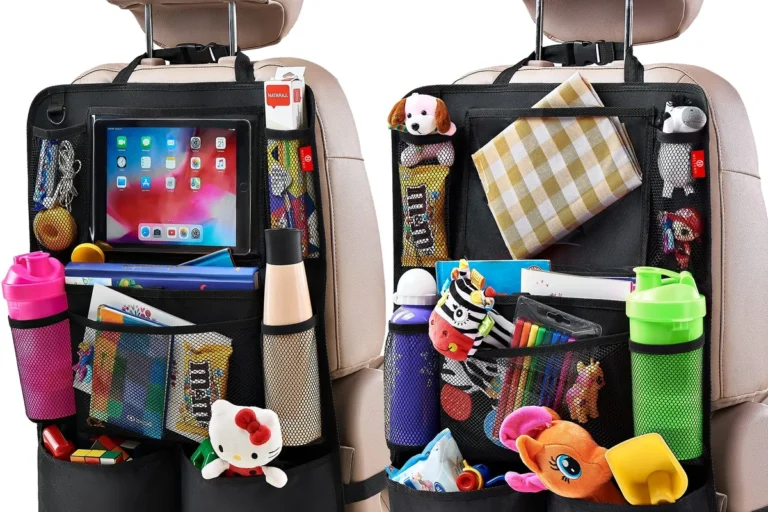
When deciding between using car seat seat belts or latches, keep these essential factors in mind to ensure your child’s safety. For related context, read car organizer for back seat.
- Compatibility: Check your vehicle manual to determine if it supports the LATCH system, as not all vehicles are equipped for this option.
- Installation Time: Be aware that seat belts typically require 5-10 minutes for proper threading, while latches can be installed in just 3-5 minutes.
- Stability: Latches provide high stability due to their direct connection to the vehicle’s anchor points, reducing car seat movement during an accident.
- Material Durability: Understand that seat belts are made from high-strength polyester or nylon, while latches consist of solid metal or durable plastic, affecting long-term durability.
- Safety Ratings: Review crash test ratings from the National Highway Traffic Safety Administration (NHTSA) to compare the performance of seat belts and latches in protecting children during accidents.
| Safety Feature | Description |
|---|---|
| Seat Belts | Straps that secure the car seat using the vehicle’s seat belt system. |
| Latches | A system that connects the car seat directly to the vehicle’s anchor points for stability. |
| Ease of Use | Seat belts can be easier to access but require proper threading; latches offer a quicker connection. |
| Compatibility | Seat belts are universally compatible; latches may vary by vehicle model. |
Car Seat Seat Belts vs. Latches: What Parents Need to Know
Both seat belts and latches play crucial roles in keeping your child safe in the car.
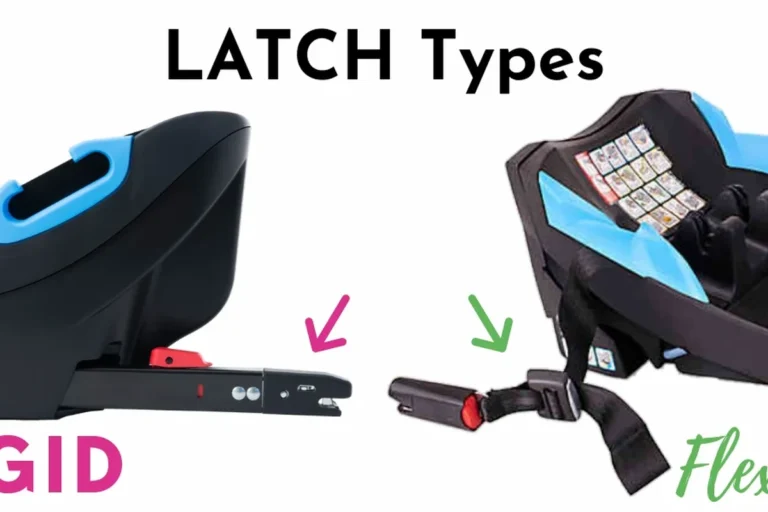
While seat belts are a universal safety feature found in all vehicles, latches—specifically the Lower Anchors and Tethers for Children (LATCH) system—are designed for enhanced security in car seats.
Comparative Overview of Seat Belts and Latches
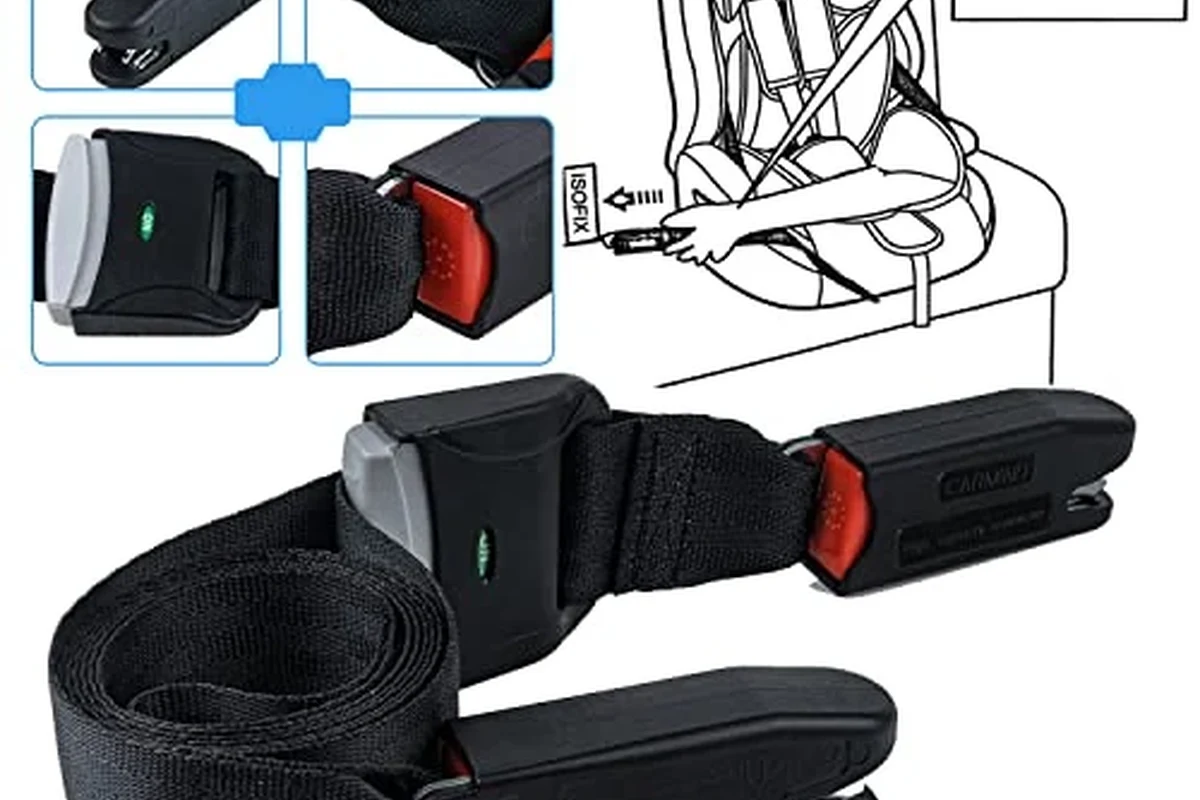
Seat belts use the car’s built-in restraint system to secure the car seat, while latches connect directly to anchors in the vehicle.
The LATCH system consists of two lower anchors and an upper tether that work together to stabilize the car seat, minimizing movement during an accident. For official guidance on this, see NHTSA vehicle safety guidance.
| Feature | Seat Belts | Latches |
|---|---|---|
| Installation | Requires threading the belt through the car seat | Connects to built-in anchors in the car |
| Universal Compatibility | Fits all vehicles | Compatibility varies by vehicle model |
| Stability | Moderate | High; reduces movement |
Choosing between seat belts and latches often depends on the specific car seat and vehicle model. Understanding how each system functions can help you determine which is best suited for your needs. You can also use car seat organizer front seat as the next practical guide.
Material Quality and Durability: Seat Belts vs. Latches
Seat belts are typically made from high-strength polyester or nylon, designed to withstand significant forces in a crash. Latches, made from metal or durable plastic, provide a solid connection to the vehicle’s structure.
Understanding the materials involved can help you assess the long-term durability of each system. For another location comparison, read back of seat car organiser.
Measure the trunk floor, seat back, or console opening in your own vehicle before ordering, then check that number against the listed product dimensions rather than the car seat seat belt vs latches photo.
Installation and Ease of Use: Which Is Better?
Installation ease is a significant factor for parents. Seat belts may require more time and effort to thread properly, especially in tight spaces.
In contrast, latches often allow for quicker installation, as they simply clip into place. However, both systems can be misused if not installed according to the manufacturer’s instructions. You can also use gifts for new car owners as the next practical guide.
Regularly inspect seat belts for signs of wear. Clean latches with a damp cloth to remove dirt and ensure a secure fit.
Maintenance and Cleaning Considerations
Both systems require minimal maintenance, but cleaning can vary. Seat belts should be checked for frays or damage regularly, and they can be wiped down with a damp cloth.
Latches can also be cleaned but should be inspected for any wear or rust, especially in older vehicles. For related service checks, see things to keep in your car.
Best Fit Scenarios: When to Choose Seat Belts or Latches
Consider your vehicle type and car seat model when deciding. If you have a newer vehicle with a LATCH system, using latches may provide a more secure fit. For official guidance on this, see NHTSA car seat guidance.
However, if you drive an older model or need to move the seat frequently, seat belts may be the more practical choice. You can also use car valet kit cleaning kits as the next practical guide.
Families with newer vehicles or those needing to switch car seats often.
Most modern cars with LATCH; all vehicles for seat belts.
Check your vehicle manual for compatibility with the LATCH system.
Safety Ratings and Crash Test Performance
Both systems are subject to rigorous safety standards. The National Highway Traffic Safety Administration (NHTSA) provides crash test ratings, indicating how well each system protects children in accidents.
While both offer high levels of safety, LATCH systems typically show improved performance in crash tests. For related risk checks, compare this with car washes that hand wash.
Final Verdict: Which Option Is Safer for Your Child?
Both car seat seat belts and latches provide effective safety features. However, latches may offer a more secure fit, especially in newer vehicles. Ultimately, the choice depends on your vehicle’s compatibility and your personal preferences. You can also use clean the interior of a car 2 as the next practical guide.
Always ensure your car seat is compatible with either system before installation to avoid safety risks.
Car Seat Seat Belt vs Latches: Which Is Safer for Your Child?
When deciding between car seat seat belts and latches, consider the compatibility with your vehicle, the installation time, and the stability each system offers.
Latches are generally quicker to install and provide a more stable connection, while seat belts are universally compatible but may take longer to secure properly. Your choice should align with your vehicle’s features and your child’s safety needs.
- Check your vehicle manual for LATCH system compatibility.
- Consider installation time: latches (3-5 minutes) vs. seat belts (5-10 minutes).
- Review NHTSA crash test ratings to assess safety performance.
This guide on car seat seat belt vs latches is general information. Rules, fees, rents, salaries, service coverage, product details, and procedures can change, so confirm important points with the manufacturer, retailer, or official app documentation before acting.
Frequently Asked Questions
Seat belts typically require 5-10 minutes for installation, as they need to be threaded through the car seat. In contrast, latches can be installed more quickly, taking only about 3-5 minutes to clip into place.
Seat belts are generally made from high-strength polyester or nylon, designed to endure significant forces during a crash. Latches, on the other hand, are constructed from metal or durable plastic to provide a solid connection to the vehicle’s structure.
Latches provide high stability, significantly reducing movement during an accident due to their direct connection to built-in anchors in the vehicle. Seat belts offer moderate stability as they rely on the car’s built-in restraint system.
Seat belts should be regularly inspected for frays or damage and can be wiped down with a damp cloth for cleaning. Latches should also be cleaned and inspected for wear or rust, particularly in older vehicles, to ensure a secure fit.
Choosing latches is advisable if you have a newer vehicle equipped with a LATCH system, as it may provide a more secure fit. However, if you frequently need to move the car seat or have an older model vehicle, seat belts might be the more practical option.
Both seat belts and latches are subject to rigorous safety standards and safety ratings provided by the National Highway Traffic Safety Administration (NHTSA). However, latches typically demonstrate improved performance in crash tests, indicating a potentially higher level of safety for children.
Putting It All Together
Choosing between car seat seat belts and latches involves weighing their differences in safety, installation, and maintenance. Always consult your vehicle’s manual and the car seat instructions for the best practices.