Rubbing Compound vs Polish Which One Gives Your Car a Shine
Both rubbing compounds and polishes play crucial roles in car detailing, but they do so in different ways. While rubbing compounds are designed to tackle deeper scratches and imperfections, polishes focus on enhancing the shine and gloss of the vehicle’s surface.
Understanding the differences between rubbing compound vs polish is essential for car owners seeking a shiny finish. Each product serves a distinct purpose, so knowing which one to choose can enhance your vehicle’s appearance effectively.
- Understanding Rubbing Compounds and Polishes: Both rubbing compounds and polishes play crucial roles in car detailing, but they do.
- Rubbing Compound vs Polish: Key: To make an informed choice between rubbing compounds and polishes, it’s essential to understand.
- Material Quality and Effectiveness: The effectiveness of rubbing compounds and polishes often hinges on their material quality..
- Price Comparison: Rubbing Compounds vs: When comparing prices, rubbing compounds generally fall into a mid-range to higher price tier.
- Best-Fit Scenarios for Rubbing Compounds: Choosing the right product depends largely on the condition of your vehicle’s paint and.
Understanding Rubbing Compounds and Polishes
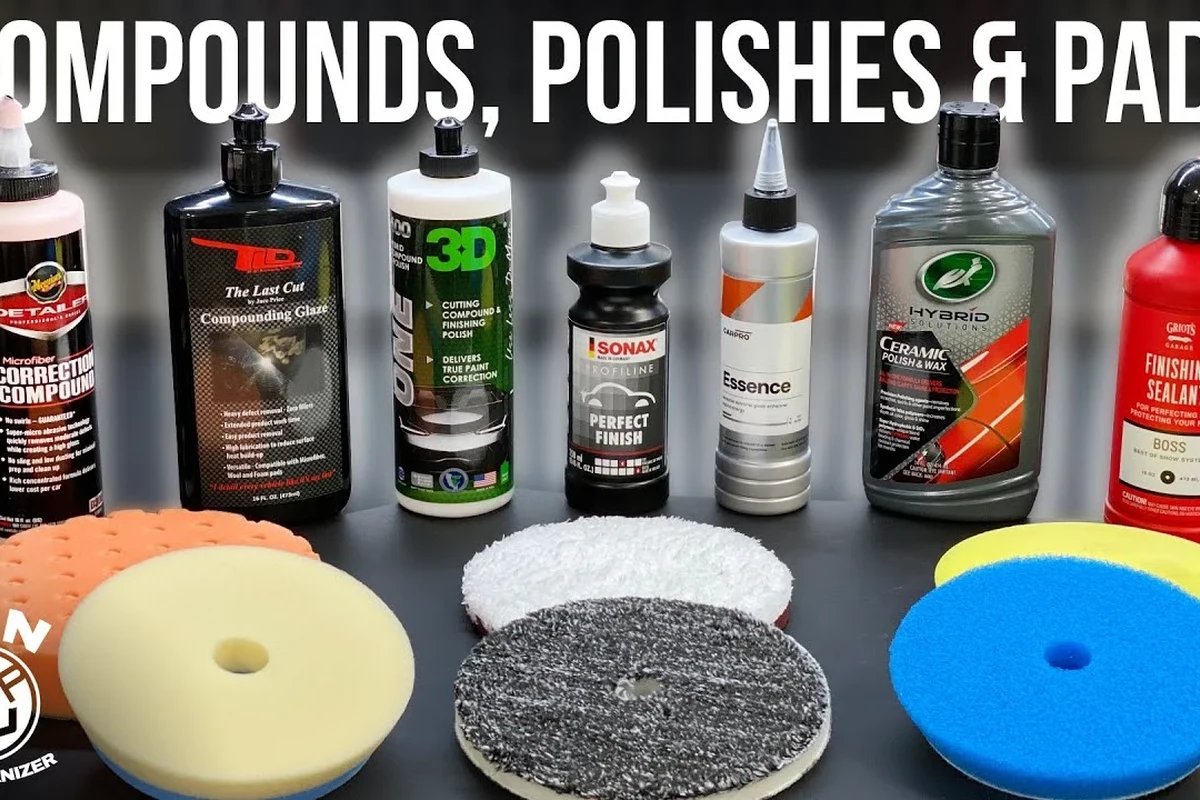
Both rubbing compounds and polishes play crucial roles in car detailing, but they do so in different ways. While rubbing compounds are designed to tackle deeper scratches and imperfections, polishes focus on enhancing the shine and gloss of the vehicle’s surface.
Understanding these distinctions helps in choosing the right product based on your car’s needs. For related context, read car valet kit cleaning kits.
| Product Type | Purpose |
|---|---|
| Rubbing Compound | Tackles deeper scratches and imperfections |
| Polish | Enhances shine and gloss of the vehicle’s surface |
Rubbing Compound vs Polish: Key Differences Explained
To make an informed choice between rubbing compounds and polishes, it’s essential to understand their individual characteristics and intended uses.
What is a Rubbing Compound?
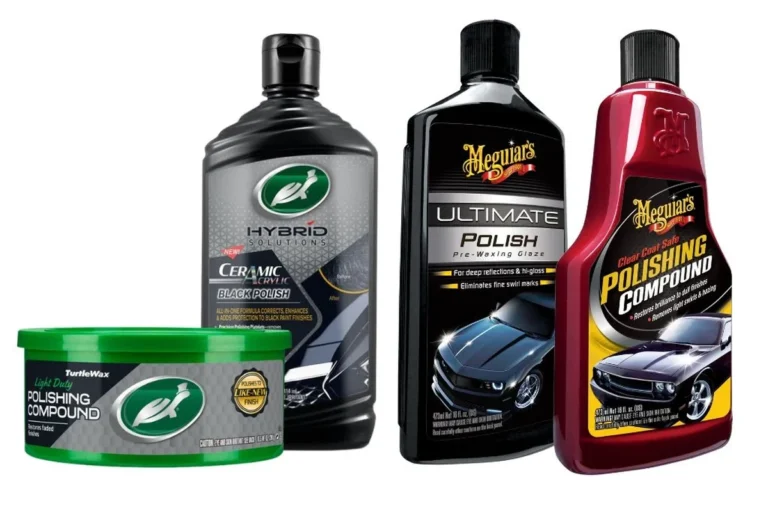
A rubbing compound is an abrasive product formulated to remove surface imperfections, including scratches, oxidation, and swirl marks. Typically consisting of abrasive particles suspended in a liquid, rubbing compounds effectively cut through the paint to reveal a smoother layer underneath.
They are most effective on heavily damaged surfaces and are usually applied using a machine buffer for optimal results.
What is Car Polish?
Car polish, on the other hand, is designed primarily to enhance the shine and depth of a vehicle’s paint. It often contains finer abrasives or chemical cleaners that work to remove light imperfections while adding a protective layer. For official guidance on this, see EPA Safer Choice cleaning product standards.
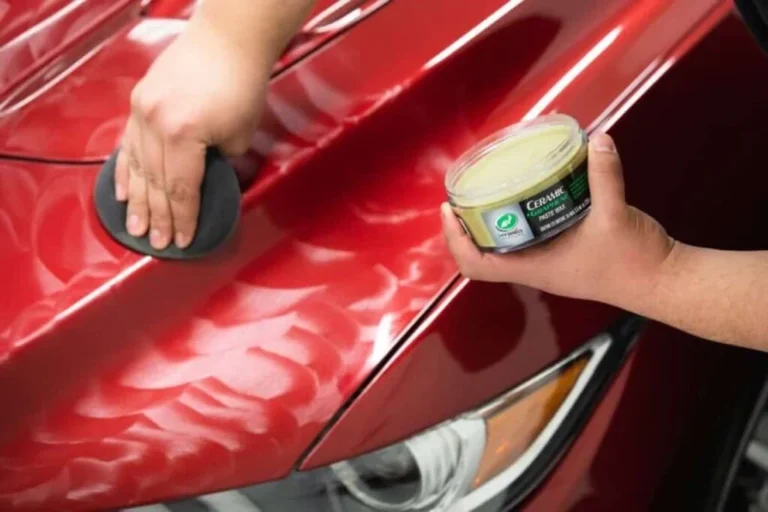
Car polish is generally less abrasive than rubbing compound and can be applied by hand or machine, making it suitable for routine maintenance and finishing touches. You can also use clean the interior of a car 2 as the next practical guide.
- Compare material quality and durability first.
- Compare price tier, capacity/size, and ease of cleaning.
- Check whether either option needs extra straps, hooks, or mounting hardware.
Material Quality and Effectiveness
The effectiveness of rubbing compounds and polishes often hinges on their material quality. Rubbing compounds typically use harsher abrasives, which can be effective but may also risk damaging the paint if misapplied.
Polishes, being less abrasive, are designed for easier application and are less likely to cause further damage to the vehicle’s surface. For related context, read clean the inside of a car.
| Feature | Rubbing Compound | Car Polish |
|---|---|---|
| Abrasiveness | High | Low to Medium |
| Application Method | Machine recommended | Hand or machine |
| Purpose | Remove deep scratches | Enhance shine |
| Surface Damage Risk | Higher | Lower |
This table summarizes key differences that matter when selecting between rubbing compounds and polishes.
- Rubbing compoundTypically ranges from $10 to $30 per bottle.
- Car polishUsually costs between $5 and $25.
- Application toolsBuffers and pads may add additional costs.
Price Comparison: Rubbing Compounds vs Polishes
When comparing prices, rubbing compounds generally fall into a mid-range to higher price tier due to their more complex formulations and potent ingredients. Polishes tend to be more affordable, reflecting their less aggressive nature.
However, prices can vary significantly based on brand and specific product features, so it’s wise to compare before purchasing. This area decision also connects with things to keep in your car.
Best-Fit Scenarios for Rubbing Compounds and Polishes
Choosing the right product depends largely on the condition of your vehicle’s paint and your detailing goals. Here’s when to use each:
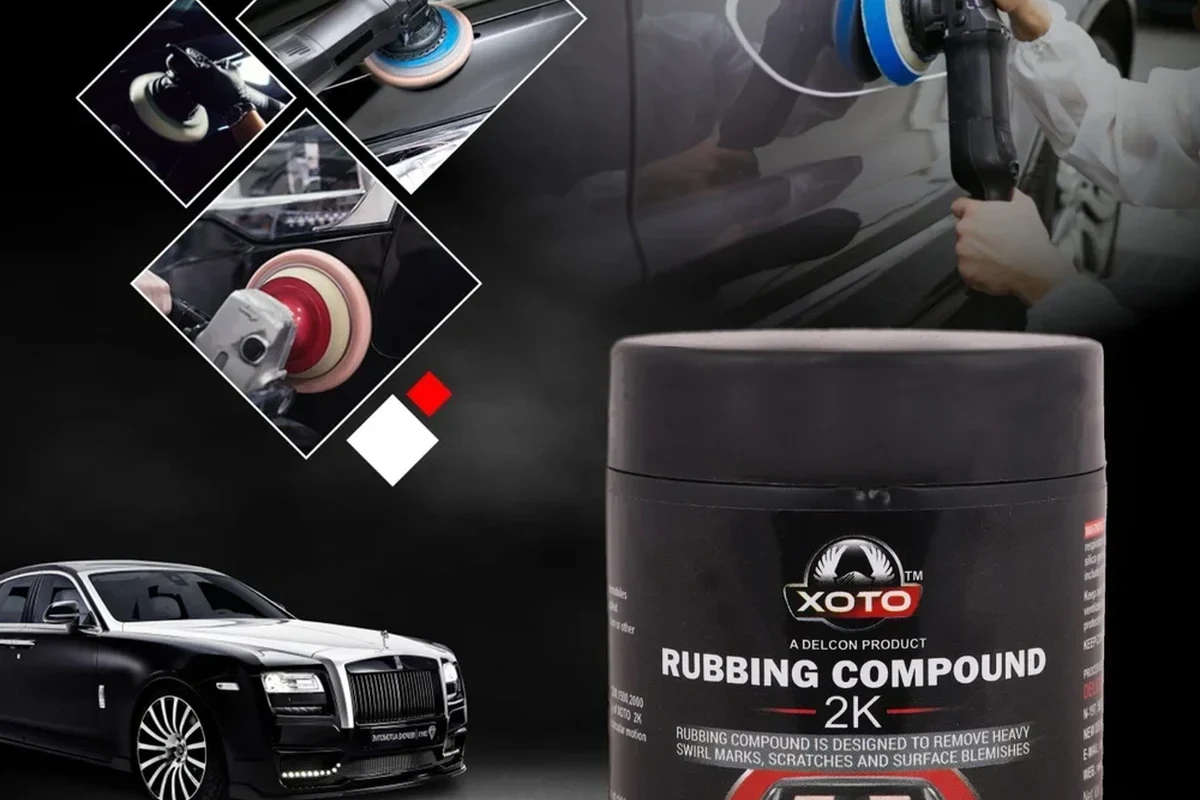
When to Use Rubbing Compound
Rubbing compounds are ideal for situations where the paintwork has significant imperfections, such as deep scratches, oxidation, or heavy swirl marks from previous detailing attempts. They are best suited for: For official guidance on this, see Consumer Reports car guidance.
- Older vehicles with faded paint.
- Cars that have undergone extensive weather exposure.
- Heavy-duty restoration projects.
When to Use Polish
Polish is best for light maintenance and enhancement of the vehicle’s shine. Scenarios include:
Regular upkeep for newer cars. Prepping a vehicle for an event or show. Light corrections after washing or waxing. For related context, read clean the interior of a car.
- Match features to what your daily driving actually needs.
- Avoid choosing on price alone if material quality differs.
- Check current size and color availability before deciding.
Pros and Cons of Rubbing Compounds and Polishes
Understanding the advantages and drawbacks of each product can help inform your decision on which to use in various situations. You can also use car washes that hand wash as the next practical guide.
- Rubbing compounds can effectively remove deeper scratches.
- Polishes enhance gloss and protect paint with less risk of damage.
Using rubbing compounds improperly can lead to paint damage. Polish may not be effective for more severe imperfections.
For effective car care, understanding the differences between rubbing compounds and polishes is crucial. Choose based on the paint condition and desired outcome for optimal results.
Final Verdict: Which Product Should You Choose?
In the rubbing compound vs polish debate, your choice should depend on the condition of your car’s paint and your detailing goals. For significant damage, a rubbing compound is the way to go.
If you’re looking to maintain a glossy finish and light imperfections, polish is more suitable. Always ensure you follow application instructions to achieve the best results. For related context, read car detailing near me yelp.
Navigating the Rubbing Compound vs Polish Decision
When choosing between rubbing compound and polish, consider the condition of your vehicle’s paint. Use a rubbing compound for significant imperfections like deep scratches or oxidation, while polish is ideal for enhancing shine and addressing light surface flaws. This area decision also connects with how to detail inside of car.
Select the product that aligns with your detailing goals for the best results.
- Assess your car’s paint condition before deciding.
- Use rubbing compound for deep scratches and heavy damage.
- Opt for polish for routine maintenance and light corrections.
This guide on rubbing compound vs polish is general information. Rules, fees, rents, salaries, service coverage, product details, and procedures can change, so confirm important points with the manufacturer, retailer, or official app documentation before acting.
Common Questions
A rubbing compound is specifically designed to tackle deep scratches, oxidation, and swirl marks. It cuts through the paint to reveal a smoother layer underneath, making it ideal for heavily damaged surfaces.
Rubbing compounds have a high level of abrasiveness, which allows them to remove significant imperfections. In contrast, polishes are less abrasive, focusing on enhancing shine while minimizing the risk of further damage.
Rubbing compounds are best applied using a machine buffer for optimal results, while polishes can be applied by hand or machine. This flexibility makes polishes suitable for routine maintenance and light corrections.
Rubbing compounds are ideal for older vehicles with faded paint, cars exposed to extensive weathering, or heavy-duty restoration projects. These situations typically involve significant paintwork imperfections that require more aggressive treatment.
Improper use of a rubbing compound can lead to damage to the vehicle’s paint, particularly if applied too aggressively. So it’s crucial to follow application instructions carefully to avoid compromising the finish.
Rubbing compounds generally range from $10 to $30 per bottle, due to their complex formulations. In contrast, car polishes are usually more affordable, costing between $5 and $25, reflecting their less aggressive nature.
Final Words
Understanding the differences between rubbing compound vs polish is essential for car owners seeking a shiny finish. Both rubbing compounds and polishes play crucial roles in car detailing, but they do so in different ways.