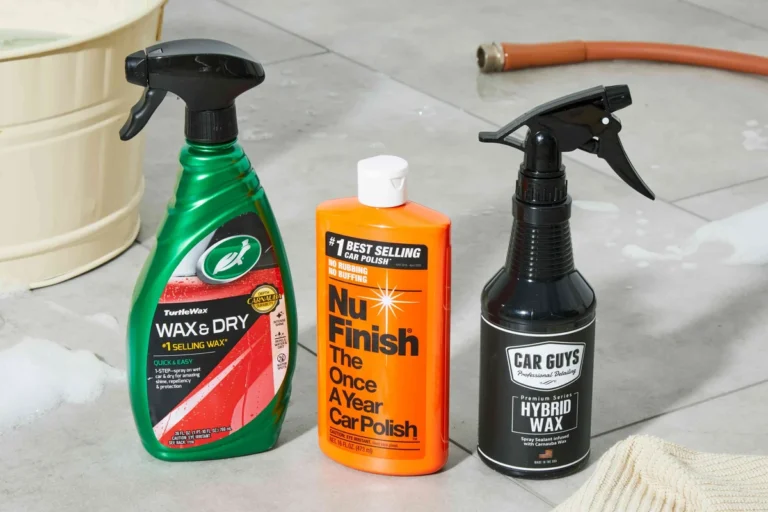
Car Wax vs Car Polish Which One Gives Your Car a Better
Car wax and car polish serve different purposes in vehicle maintenance. Car wax is primarily used for protection, providing a layer that shields the paint from environmental elements.
In the debate of car wax vs car polish, car wax provides a protective layer for your vehicle’s paint, while car polish focuses on restoring and correcting surface imperfections.
Understanding their distinct roles will help you choose the right product for your car care needs.
- Understanding Car Wax and Car: Car wax and car polish serve different purposes in vehicle maintenance..
- Car Wax vs. Car Polish: Understanding the differences between car wax and polish is crucial for effective vehicle maintenance..
- Types of Car Wax and: Both car wax and polish come in various formulations, each suited to different preferences.
- Application Methods and Best Practices: The way you apply car wax or polish can significantly affect the results you.
- Durability and Longevity: How Long: The longevity of car wax and polish varies based on their formulation and environmental.
Understanding Car Wax and Car Polish
Car wax and car polish serve different purposes in vehicle maintenance. Car wax is primarily used for protection, providing a layer that shields the paint from environmental elements.
In contrast, car polish is designed to enhance the paint’s appearance by correcting imperfections, such as scratches or swirls. For related context, read car detailing near me yelp.
| Feature | Car Wax | Car Polish |
|---|---|---|
| Primary Purpose | Protection | Enhancement |
| Function | Shields paint from environmental elements | Corrects paint imperfections (scratches, swirls) |
| Application Frequency | Every few months | As needed for correction |
| Finish Type | Glossy, protective layer | Smooth, improved appearance |
Car Wax vs. Car Polish: Key Differences Explained
Understanding the differences between car wax and polish is crucial for effective vehicle maintenance. Each product has unique properties and applications that cater to specific needs.
Protection vs. Restoration: What Each Product Offers
Car wax offers protection by forming a barrier against UV rays, dirt, and moisture. This layer helps prevent oxidation and fading, which can degrade the car’s appearance over time. For official guidance on this, see EPA Safer Choice cleaning product standards.
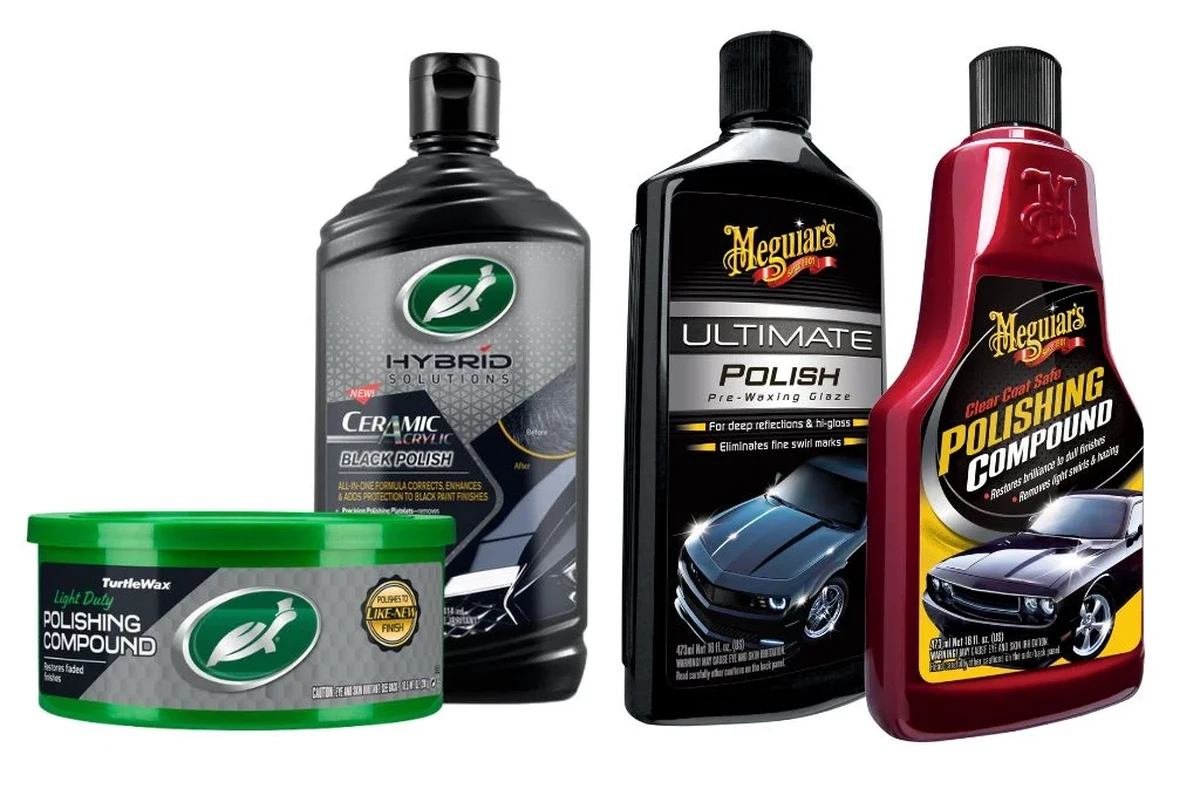
Car polish, on the other hand, focuses on restoration. It contains fine abrasives that remove a thin layer of paint, allowing for the correction of minor blemishes and improving overall clarity. This area decision also connects with clean the interior of a car 2.
- Match features to what your daily driving actually needs.
- Avoid choosing on price alone if material quality differs.
- Check current size and color availability before deciding.
Types of Car Wax and Car Polish
Both car wax and polish come in various formulations, each suited to different preferences and applications. Knowing the types can help you make a more informed choice.
Natural vs. Synthetic Waxes
Natural waxes, like carnauba, offer a deep shine and are often favored by enthusiasts for their gloss and warmth. However, they may not last as long as synthetic options.
Synthetic waxes provide a more durable finish with better resistance to environmental factors. They are often easier to apply and remove, making them a popular choice for everyday use.
Abrasive vs. Non-Abrasive Polishes
Abrasive polishes contain micro-abrasives that effectively remove imperfections from the paint surface. This type is ideal for cars with noticeable scratches or dullness.
Non-abrasive polishes, however, are gentler and are used for maintaining shine without altering the paint surface. They are suitable for newer vehicles or those in excellent condition. For another location comparison, read clean the inside of a car.
Application Methods and Best Practices
The way you apply car wax or polish can significantly affect the results you achieve. Understanding these methods is important for optimal application. For official guidance on this, see NHTSA vehicle safety guidance.
Hand Application vs. Machine Application
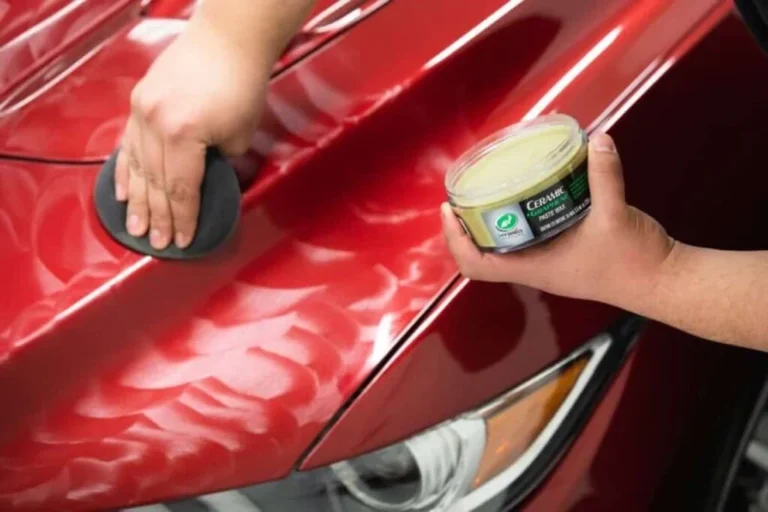
Hand application allows for more control and is often preferred for waxes that require careful spreading. However, machine application can save time and provide a more uniform finish when using polish, especially for larger areas. This area decision also connects with things to keep in your car.
Always follow the manufacturer’s instructions for best results.
Durability and Longevity: How Long Do They Last?
The longevity of car wax and polish varies based on their formulation and environmental conditions. Generally, car wax lasts between three to six months, depending on the product and weather exposure.
Car polish can provide longer-lasting results, especially if used in combination with wax for protection. For related context, read clean the interior of a car.
- Car waxTypically ranges from $10 to $50.
- Car polishUsually costs between $10 and $40.
- Additional suppliesMicrofiber towels and applicators may add $10-20.
Cost Comparison: Budgeting for Car Care
Pricing for car wax and polish can vary widely based on brand, formulation, and packaging. Natural waxes tend to be more expensive than synthetic options, while premium polishes may carry a higher price tag due to their advanced formulations. This area decision also connects with car valet kit cleaning kits.
It’s important to balance cost with the type of care your vehicle requires.
- Apply in the shade to prevent premature drying.
- Use overlapping motions for even coverage.
- Buff off excess product with a clean microfiber towel.
Best-Performing Brands in the Market
Choosing the right brand can make a significant difference in the effectiveness of your car care routine. Look for well-reviewed products that have been proven to deliver results. For related context, read car washes that hand wash.
Choosing Between Car Wax vs Car Polish for Optimal Vehicle Care
When deciding between car wax and car polish, it’s essential to recognize their distinct functions: wax provides a protective layer against environmental damage, while polish aims to restore and enhance the paint’s appearance by correcting imperfections.
For optimal results, many car owners find that using both products in combination offers the best of protection and restoration. This area decision also connects with how to detail inside of car.
- Assess your vehicle’s current condition to determine if it needs protection (wax) or restoration (polish).
- Choose the type of wax (natural or synthetic) based on desired longevity and shine.
- Apply products in the shade for even coverage and to prevent premature drying.
This guide on car wax vs car polish is general information. Rules, fees, rents, salaries, service coverage, product details, and procedures can change, so confirm important points with the manufacturer, retailer, or official app documentation before acting.
Questions People Also Ask
Car wax provides a protective layer that shields the vehicle’s paint from environmental elements, while car polish focuses on restoring and correcting surface imperfections. Understanding these distinct roles helps in choosing the right product for your car care needs.
Natural waxes, like carnauba, offer a deep shine but may not last as long as synthetic options, which provide a more durable finish. Synthetic waxes are typically easier to apply and remove, making them popular for everyday use.
Abrasive polishes contain micro-abrasives that effectively remove imperfections, making them ideal for cars with noticeable scratches. Non-abrasive polishes are gentler and maintain shine without altering the paint surface, suitable for vehicles in excellent condition.
Hand application allows for more control when applying wax, while machine application can save time and provide a uniform finish when using polish. Always follow the manufacturer’s instructions for optimal results.
Car wax generally lasts between three to six months, depending on the product and weather exposure. In contrast, car polish can provide longer-lasting results, especially when used in conjunction with wax for added protection.
Pricing can vary widely based on brand, formulation, and packaging, with natural waxes often being more expensive than synthetic options. Premium polishes may carry a higher price tag due to their advanced formulations, so it’s important to balance cost with the care your vehicle requires.
Closing Thoughts
When deciding between car wax vs car polish, consider your vehicle’s current condition and your desired outcome. For protection, wax is essential, while polish is ideal for restoring shine.
Many car owners find that using both products in tandem yields the best results for maintaining their vehicle’s appearance.
Choose products based on your car’s needs. Test products on a small area first.
- Skipping the cleaning step before application.
- Using abrasive products on delicate surfaces.