Body on Frame vs Unibody Construction Which Is Best
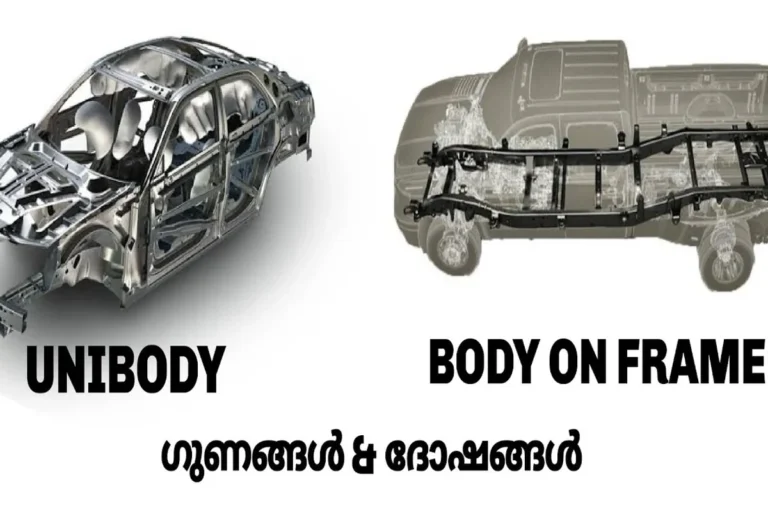
Body-on-frame construction is a method where a vehicle’s body is mounted on a separate frame. This design is commonly found in trucks and SUVs, providing a sturdy platform that enhances towing capabilities and off-road performance.
The decision between body on frame vs unibody construction can significantly impact vehicle performance. Whether you prioritize durability or fuel efficiency, understanding these two construction types helps in making an informed choice. You can also use car seat organizer front seat as the next practical guide.
- Understanding Body-on-Frame vs. Unibody Construction: Both body-on-frame and unibody constructions have distinct characteristics that cater to different needs and.
- Key Differences Between Body-on-Frame and: Understanding the differences between these two construction types is essential when considering a vehicle.
- Best-Fit Scenarios for Each Construction: Choosing the right construction type depends on your specific driving needs and preferences..
- Pros and Cons of Each: Evaluating the advantages and disadvantages can guide your decision..
- Balanced Verdict: Which Construction Is: Deciding between body-on-frame and unibody construction ultimately comes down to your specific needs..
Understanding Body-on-Frame vs. Unibody Construction
Both body-on-frame and unibody constructions have distinct characteristics that cater to different needs and preferences among vehicle owners.

| Construction Type | Key Characteristics |
|---|---|
| Body-on-Frame | Durable, ideal for heavy-duty applications, allows for easy repairs and modifications. |
| Unibody | Lighter, provides better fuel efficiency, superior crash safety, and improved handling. |
Definition and Overview of Body-on-Frame Construction
Body-on-frame construction is a method where a vehicle’s body is mounted on a separate frame. This design is commonly found in trucks and SUVs, providing a sturdy platform that enhances towing capabilities and off-road performance.
Definition and Overview of Unibody Construction
Unibody construction merges the body and frame into a single unit. This design is often used in cars and crossovers, offering advantages in weight reduction, safety, and fuel efficiency due to its integrated structure. For related context, read car valet kit cleaning kits.
- Consider your primary vehicle usage: towing, off-roading, or commuting.
- Evaluate your budget for initial purchase and maintenance.
- Check for safety ratings and features that meet your needs.
Key Differences Between Body-on-Frame and Unibody
Understanding the differences between these two construction types is essential when considering a vehicle purchase.
Material Quality and Durability
Body-on-frame vehicles typically use heavier materials, contributing to their durability and ability to withstand rough conditions. In contrast, unibody vehicles often use lighter materials, which can enhance fuel efficiency but may compromise long-term durability in extreme conditions. For official guidance on this, see NHTSA vehicle safety guidance.
Price Comparison: Body-on-Frame vs. Unibody Vehicles
Generally, body-on-frame vehicles tend to be more expensive due to their solid construction and higher manufacturing costs. Unibody vehicles are usually more affordable, reflecting their simpler design and lower production expenses.
Cleaning and Maintenance: Which Is Easier?
Cleaning and maintaining body-on-frame vehicles can be more straightforward due to their separate components, allowing easier access to parts. Unibody vehicles may require more effort to clean and maintain, as their integrated design can complicate access to specific areas. Use car washes that hand wash to compare scope, quotes, and provider questions.
- Base vehicle pricePrice varies significantly based on construction type.
- Maintenance costsConsider future upkeep based on construction.
- Fuel costsUnibody vehicles typically offer better fuel efficiency.
Best-Fit Scenarios for Each Construction Type
Choosing the right construction type depends on your specific driving needs and preferences.
Ideal Uses for Body-on-Frame Vehicles
Body-on-frame vehicles are ideal for those who plan to tow heavy loads, engage in off-roading, or require a solid vehicle for rugged terrain. They’re often favored by families needing additional space and strength for outdoor adventures. For official guidance on this, see EPA Safer Choice cleaning product standards.
Ideal Uses for Unibody Vehicles
Unibody vehicles are best suited for daily commuters and those seeking better fuel efficiency. They provide a smoother ride, making them ideal for city driving and long-distance travel where comfort and efficiency are priorities. For related context, read clean the interior of a car 2.
Verify the construction type when considering safety and insurance implications, as unibody vehicles may have different safety ratings compared to body-on-frame models.
Pros and Cons of Each Construction Type
Evaluating the advantages and disadvantages can guide your decision.

Advantages of Body-on-Frame Construction
- Higher towing capacity, making them suitable for trailers and heavy loads.
- Better suited for off-road use, providing increased durability.
- Easier repairability due to separate components.
Advantages of Unibody Construction
Improved fuel efficiency due to lighter weight. Enhanced safety features with crumple zones integrated into the design. Generally lower purchase price and maintenance costs. You can also use car detailing near me yelp as the next practical guide.
- Use a soft brush to clean hard-to-reach areas in unibody cars.
- For body-on-frame vehicles, check for rust in frame areas.
- Regularly inspect mounting points for body-on-frame vehicles during maintenance.
Balanced Verdict: Which Construction Is Right for You?
Deciding between body-on-frame and unibody construction ultimately comes down to your specific needs. If you prioritize off-road capability and towing capacity, body-on-frame construction may be the better choice.
Conversely, if fuel efficiency and a comfortable ride for daily commuting are your primary concerns, unibody construction is likely more suitable. For related context, read how to detail inside of car.
Choosing between body-on-frame and unibody construction depends on your lifestyle. For adventurous families, a body-on-frame vehicle offers durability, while urban drivers may prefer the efficiency of a unibody.
Choosing Between Body on Frame vs Unibody Construction
When deciding between body on frame and unibody construction, consider your specific driving needs. Body-on-frame vehicles excel in durability and towing capabilities, making them ideal for off-roading and heavy-duty tasks.
In contrast, unibody designs offer enhanced fuel efficiency and comfort, better suited for daily commuting. Your choice should align with whether you prioritize strength or efficiency. This area decision also connects with gifts for new car owners.
- Assess your primary vehicle usage: towing, off-roading, or commuting.
- Evaluate the cost differences in initial purchase and maintenance.
- Check safety ratings and features relevant to each construction type.
This guide on body on frame vs unibody construction is general information. Rules, fees, rents, salaries, service coverage, product details, and procedures can change, so confirm important points with the manufacturer, retailer, or official app documentation before acting.
Questions Worth Asking
Body-on-frame vehicles offer higher towing capacity, making them suitable for trailers and heavy loads. They are also better suited for off-road use, providing increased durability and easier repairability due to their separate components.
Unibody construction utilizes lighter materials, which contributes to improved fuel efficiency compared to body-on-frame vehicles. This integrated design enhances the overall weight distribution, making it more economical for daily commuting.
Body-on-frame vehicles are ideal for those who plan to tow heavy loads, engage in off-roading, or require a solid vehicle for rugged terrain. They are often favored by families needing additional space and strength for outdoor adventures.
Unibody vehicles may require more effort to clean and maintain because their integrated design complicates access to specific areas. This can make it challenging to reach certain components during routine maintenance or repairs.
Generally, body-on-frame vehicles tend to be more expensive due to their solid construction and higher manufacturing costs. In contrast, unibody vehicles are usually more affordable, reflecting their simpler design and lower production expenses.
The decision between body-on-frame and unibody construction depends largely on your specific driving needs, such as towing, off-roading, or commuting. Ultimately, prioritizing either durability or fuel efficiency will guide your final choice.
Closing Thoughts
Understanding the differences between body-on-frame vs unibody construction is crucial when choosing a vehicle. Each type serves distinct purposes and is tailored to different driving needs. Whether you value durability or efficiency will guide your final decision. For related context, read car organizer for back seat.