Unibody vs Body on Frame Which Design Offers Better
Vehicle design is crucial for performance, safety, and functionality. Unibody and body-on-frame are two primary construction methods used in vehicles today.
The choice between unibody vs body on frame designs significantly impacts vehicle performance and usability. Understanding these differences helps drivers select the right vehicle type for their needs, whether for daily driving, family trips, or work purposes.
- Understanding Unibody and Body-on-Frame Vehicle: Vehicle design is crucial for performance, safety, and functionality..
- Unibody vs. Body-on-Frame: Key Differences: In comparing unibody and body-on-frame designs, several critical factors come into play, including material.
- Durability and Performance: Which Design: Durability and performance are critical considerations when choosing between unibody and body-on-frame designs..
- Best-Fit Scenarios for Unibody Vehicles: Unibody vehicles are often ideal for urban environments and daily commuting..
- When to Choose a Body-on-Frame: Body-on-frame designs excel in scenarios that involve heavy towing, off-road driving, or rugged usage..
Understanding Unibody and Body-on-Frame Vehicle Designs
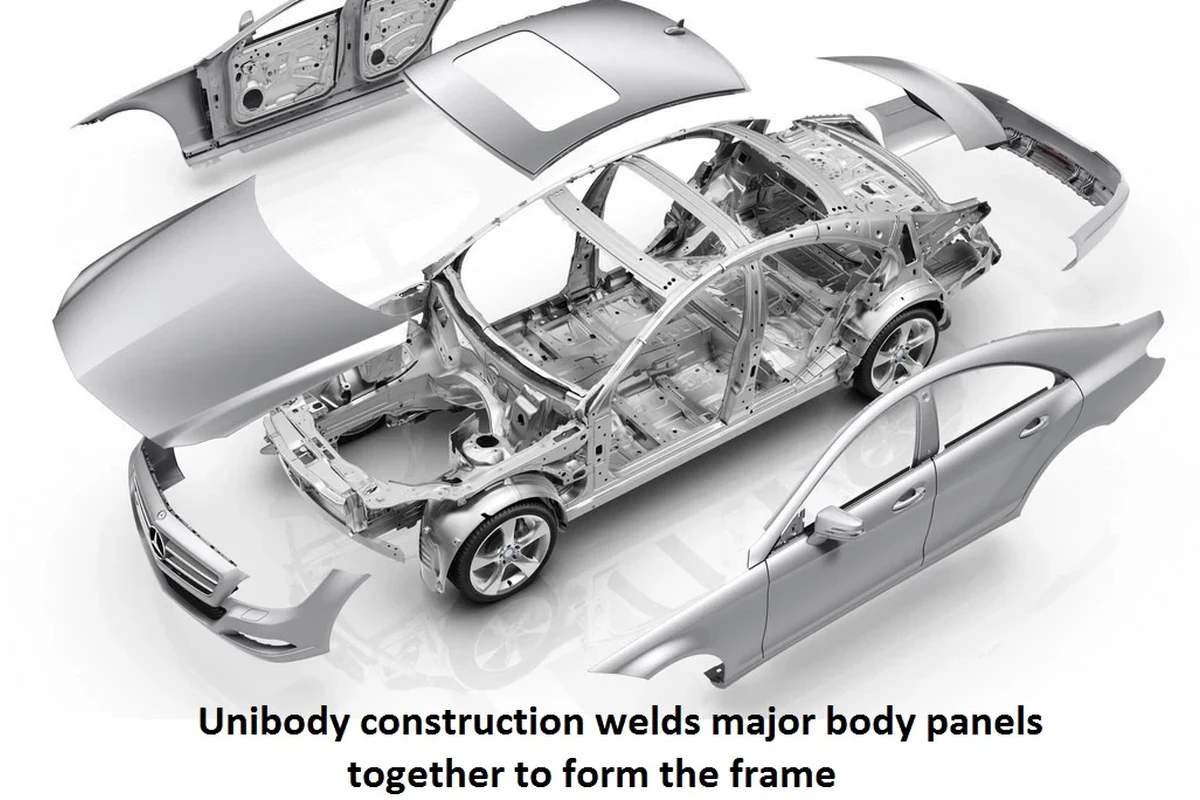
Vehicle design is crucial for performance, safety, and functionality. Unibody and body-on-frame are two primary construction methods used in vehicles today. Each offers unique advantages and disadvantages, making it essential to understand their differences. For related context, read car organizer for back seat.
| Design Type | Advantages | Disadvantages |
|---|---|---|
| Unibody | Improved fuel efficiency, better handling, lighter weight | Less repairable after a collision, reduced towing capacity |
| Body-on-Frame | Greater durability, easier repair after damage, higher towing capacity | Heavier, less fuel-efficient, poorer handling |
- Unibody vehiclesGenerally more affordable to maintain.
- Body-on-frame vehiclesHigher initial costs, but may offer better longevity.
Unibody vs. Body-on-Frame: Key Differences That Matter
In comparing unibody and body-on-frame designs, several critical factors come into play, including material quality, cost implications, and overall construction approach. These elements influence how vehicles perform and serve their intended purposes.
Material Quality: Comparing Construction Approaches
Unibody vehicles, which integrate the body and frame into a single structure, typically use high-strength steel or aluminum. This construction offers a lighter design, enhancing fuel efficiency and handling.
In contrast, body-on-frame vehicles feature a separate frame that supports the body, usually made from heavier steel. This construction method provides greater durability for off-road conditions and towing but can result in a heavier vehicle.
Price Tiers: Cost Implications of Each Design
Generally, unibody vehicles are more cost-effective to manufacture, resulting in lower retail prices. They also tend to have lower insurance costs due to their typically better crash safety ratings. For official guidance on this, see NHTSA car seat guidance.
Conversely, body-on-frame vehicles, often used for trucks and SUVs, usually come at a higher price point due to their solid construction and associated capabilities. You can also use car seat organizer front seat as the next practical guide.
Confirm your vehicle’s cargo capacity and towing requirements to ensure you choose the right design for your needs.
Durability and Performance: Which Design Holds Up Better?
Durability and performance are critical considerations when choosing between unibody and body-on-frame designs. Each construction method has strengths that cater to different driving needs and conditions.
Ease of Cleaning and Maintenance Considerations
Unibody vehicles often feature simpler designs with fewer components, making them easier to clean and maintain. Their integrated structure allows for easier access to components, which can simplify repairs.
Body-on-frame vehicles, however, might require more effort to clean due to the additional frame components and potentially more complex engine layouts.
Capacity and Size: How Each Design Affects Vehicle Space
Body-on-frame vehicles typically offer more cargo capacity and towing capabilities, making them suitable for hauling heavy loads or off-road adventures. For official guidance on this, see NHTSA vehicle safety guidance.
In contrast, unibody designs may have limitations in towing but often maximize interior space for passengers and cargo due to their efficient use of space. For related context, read back of seat car organiser.
Best-Fit Scenarios for Unibody Vehicles
Unibody vehicles are often ideal for urban environments and daily commuting. Their lighter weight translates to better fuel efficiency and handling, making them suitable for city driving. Families may also find unibody designs advantageous due to their spacious interiors and safety features. You can also use clean the inside of a car as the next practical guide.
Daily commuters and families needing efficient transportation.
Compact and midsize cars, many SUVs.
Interior space and safety ratings for specific models.
When to Choose a Body-on-Frame Design
Body-on-frame designs excel in scenarios that involve heavy towing, off-road driving, or rugged usage. These vehicles are typically found in trucks and larger SUVs, where durability and strength are essential.
Drivers who frequently transport heavy loads or venture off the beaten path may find this design more suitable. For related context, read things to keep in your car.

Verify towing capacity and safety ratings before choosing a body-on-frame vehicle, as these can significantly affect performance.
Real-World Examples of Each Design
Several vehicles exemplify the differences between unibody and body-on-frame designs. Popular unibody vehicles include the Honda CR-V and Toyota RAV4, known for their fuel efficiency and spacious interiors.
On the other hand, the Ford F-150 and Chevrolet Silverado represent body-on-frame designs, offering solid towing capacities and off-road capabilities. You can also use clean the interior of a car as the next practical guide.
- Regular cleaning is essential for maintaining the condition of both designs.
- Inspect the undercarriage of body-on-frame vehicles for rust and wear.
- Keep up with engine maintenance for optimal performance.
Choosing Between Unibody and Body-on-Frame Designs
When deciding between unibody and body-on-frame vehicles, consider your specific needs. Unibody designs offer better fuel efficiency and handling, making them ideal for daily commuting and family use.
In contrast, body-on-frame vehicles excel in durability and towing capacity, suited for heavy-duty tasks and off-road adventures. Assessing these factors can lead you to the vehicle type that best fits your lifestyle. For related context, read terms of use.
- Determine your primary vehicle usage (daily commuting vs. towing/off-road).
- Evaluate the cargo capacity and towing requirements for your needs.
- Check safety ratings and maintenance ease for both design types.
This guide on unibody vs body on frame is general information. Rules, fees, rents, salaries, service coverage, product details, and procedures can change, so confirm important points with the manufacturer, retailer, or official app documentation before acting.
Questions Worth Asking
Unibody vehicles integrate the body and frame into a single structure, typically using high-strength steel or aluminum for a lighter design. In contrast, body-on-frame vehicles feature a separate, heavier steel frame that enhances durability for towing and off-road conditions.
Unibody vehicles are generally more affordable to maintain due to their simpler designs and fewer components. Body-on-frame vehicles may incur higher maintenance costs but can offer better longevity due to their solid construction.
Unibody vehicles are ideal for urban environments and daily commuting because their lighter weight enhances fuel efficiency and handling. They also provide spacious interiors and better safety features for families.
Body-on-frame vehicles typically provide greater cargo capacity and towing capabilities, making them suitable for hauling heavy loads or off-road adventures. This design is preferred for trucks and larger SUVs that prioritize strength and durability.
Unibody vehicles feature simpler designs with fewer components, making them easier to clean and maintain. Body-on-frame vehicles, however, may require more effort to clean due to the additional frame components and complex engine layouts.
Popular unibody vehicles include the Honda CR-V and Toyota RAV4, known for their fuel efficiency and spacious interiors. In contrast, the Ford F-150 and Chevrolet Silverado exemplify body-on-frame designs, offering solid towing capacities and off-road capabilities.
Closing Thoughts
The choice between unibody vs body on frame ultimately depends on your driving needs. Unibody vehicles are often better for everyday use and fuel efficiency, while body-on-frame models cater to those needing strength and towing capacity. You can also use editorial policy as the next practical guide.
Understanding these differences can guide you to the right vehicle for your lifestyle.