
Store Car Outside vs Garage Which Option Protects
Outdoor-stored vehicles may need more frequent cleaning to remove dirt, debris, and potential hazards like bird droppings. Regular waxing and using protective covers can help, while garage-stored cars benefit from less exposure to the elements, leading to lower maintenance needs.
Choosing between where to store your vehicle can be challenging. Understanding the implications of storing a car outside vs garage will help you make an informed decision based on your specific needs and circumstances.
- Understanding Car Storage Options: Outdoor: When deciding between outdoor storage and a garage, it’s essential to consider several factors.
- Storing a Car Outside vs.: Outdoor storage typically involves parking your vehicle in a driveway, parking lot, or street.
- Security Considerations for Car Storage: Security is a critical factor when choosing how to store your vehicle..
- Maintenance Needs for Stored Vehicles: Different storage options require varying levels of maintenance to keep your vehicle in optimal.
- Best-Fit Scenarios for Car Storage: Each storage option suits different vehicle types and owner situations, influencing your decision..
Understanding Car Storage Options: Outdoor vs. Garage
When deciding between outdoor storage and a garage, it’s essential to consider several factors, including protection from the elements, security, and maintenance needs. Each option has distinct advantages and drawbacks that cater to different situations. For another location comparison, read car valet kit cleaning kits.
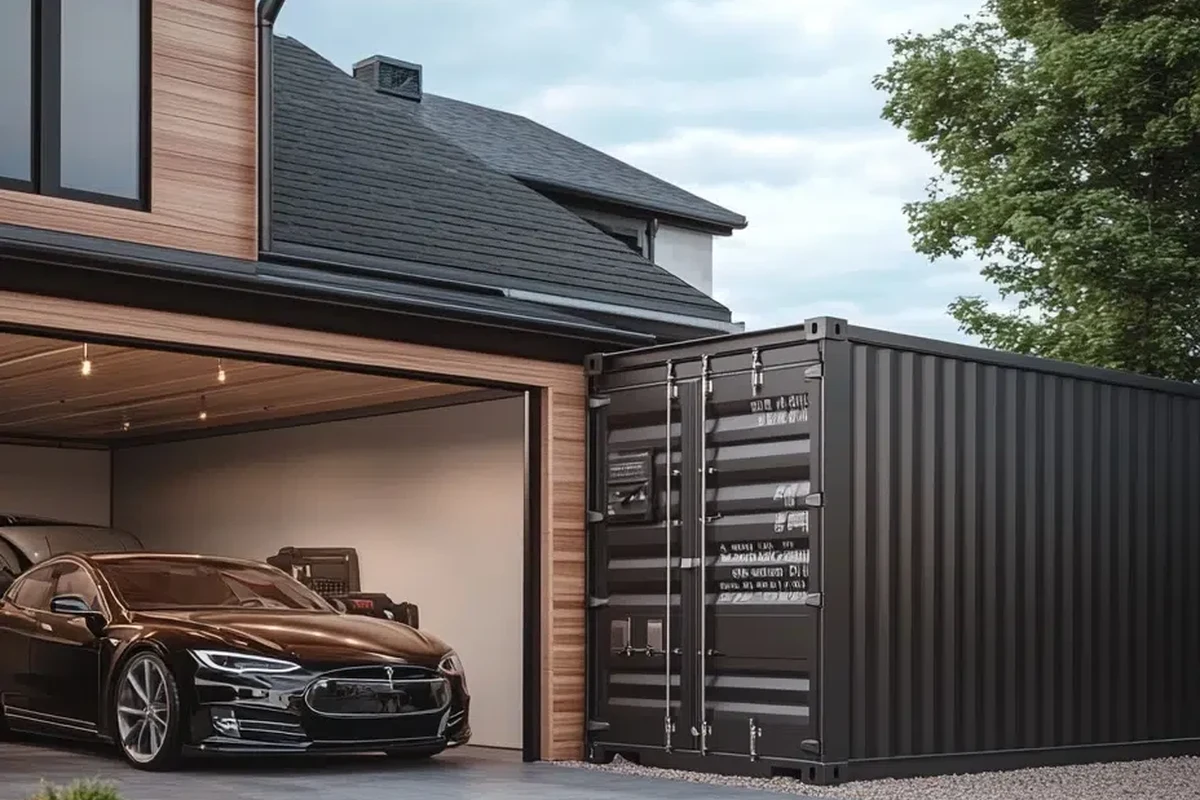
| Criteria | Outdoor Storage | Garage Storage |
|---|---|---|
| Protection from Elements | Exposed to weather conditions | Shielded from rain, snow, and sun |
| Security | Higher risk of theft or vandalism | Generally more secure |
| Maintenance Needs | Requires regular cleaning and upkeep | Less frequent maintenance needed |
| Cost | Usually lower | Potentially higher due to construction/lease |
- Garage constructionInitial investment can be high.
- Outdoor coversMore affordable, but may require replacement.
- Ongoing maintenanceRegular upkeep needed for both options.
Storing a Car Outside vs. in a Garage: Key Differences
Outdoor storage typically involves parking your vehicle in a driveway, parking lot, or street, while garage storage means keeping it inside a dedicated structure. The choice affects your vehicle’s exposure to weather, security, and maintenance requirements.
Environmental Impact on Vehicle Condition
Weather conditions can significantly affect the longevity and condition of your vehicle. Rain and snow can lead to rust, while UV rays can damage paint and interiors. In contrast, a garage provides protection from these elements, preserving the vehicle’s condition over time. For official guidance on this, see EPA Safer Choice cleaning product standards.
Cost Comparison: Garage Construction vs. Outdoor Storage Solutions
Building a garage can be a significant investment, often ranging from $10,000 to $30,000 depending on size and materials. Outdoor storage solutions, such as car covers or canopies, are typically more affordable but may require regular maintenance and monitoring. This area decision also connects with car washes that hand wash.
Always assess the security features of your chosen storage option. Ensure that outdoor storage areas are well-lit and secure to reduce risks.
Security Considerations for Car Storage
Security is a critical factor when choosing how to store your vehicle. Garages often provide better security features compared to outdoor locations.
Evaluating Protection Levels: Garage vs. Outdoor Storage
Garages can be equipped with locks, alarms, and other security systems, providing a safer environment for your vehicle. In contrast, outdoor storage leaves your car vulnerable to theft, vandalism, and damage from wildlife or other environmental factors. For another location comparison, read clean the interior of a car 2.
Maintenance Needs for Stored Vehicles
Different storage options require varying levels of maintenance to keep your vehicle in optimal condition.
Cleaning and Preservation Techniques
Outdoor-stored vehicles may need more frequent cleaning to remove dirt, debris, and potential hazards like bird droppings. Regular waxing and using protective covers can help, while garage-stored cars benefit from less exposure to the elements, leading to lower maintenance needs. Use car detailing near me yelp to compare scope, quotes, and provider questions.
Utilize wash mitts and microfiber towels to keep your vehicle clean. Regular detailing and waxing can prolong the vehicle’s life, regardless of storage method.
Best-Fit Scenarios for Car Storage Options
Each storage option suits different vehicle types and owner situations, influencing your decision. For official guidance on this, see Consumer Reports car guidance.
Which Option is Best for Your Vehicle Type?
For classic or luxury cars, a garage is often preferred as it provides enhanced protection and security. Daily drivers might do well with outdoor storage, especially if covered and monitored regularly. Evaluate your specific needs based on vehicle value and usage patterns. For related context, read how to detail inside of car.
- Check your local climate and potential environmental hazards.
- Consider the value of your vehicle and how often you use it.
- Evaluate your property for available garage space or suitable outdoor options.
Durability and Material Quality: Garage vs. Outdoor Covers
The materials used in garages and outdoor covers play a significant role in how well they protect vehicles.
Long-Term Effects of Storage Choices
Garages made from concrete or metal offer solid protection against physical damage and environmental factors. Outdoor covers vary in quality, with materials like waterproof fabrics providing some protection but often requiring replacement over time. You can also use gifts for new car owners as the next practical guide.
Be aware that outdoor covers can deteriorate over time due to UV exposure and weather conditions. Regularly inspect and replace them as needed to ensure continued protection.
Store Car Outside vs Garage: Making the Right Choice
Deciding between storing your car outside or in a garage hinges on factors like protection from the elements, security, and maintenance needs.
A garage offers superior protection and security, making it ideal for valuable vehicles, while outdoor storage can be more cost-effective but requires vigilant upkeep and monitoring to mitigate risks from weather and theft. For another location comparison, read car organizer for back seat.
- Assess your vehicle’s value and type to determine the appropriate storage option.
- Evaluate local environmental conditions to understand potential risks to outdoor storage.
- Consider the security features of outdoor storage areas to minimize theft and damage risks.
This guide on store car outside vs garage is general information. Rules, fees, rents, salaries, service coverage, product details, and procedures can change, so confirm important points with the manufacturer, retailer, or official app documentation before acting.
Frequently Asked Questions
Storing a car outside exposes it to weather conditions such as rain, snow, and UV rays, which can lead to rust and paint damage. In contrast, a garage provides protection from these elements, helping to preserve the vehicle’s condition over time.
Building a garage can be a significant investment, often ranging from $10,000 to $30,000 depending on size and materials. Outdoor storage solutions, like car covers, are typically more affordable but may require regular maintenance and eventual replacement.
Garages often come equipped with locks, alarms, and other security features, providing a safer environment for your vehicle. Outdoor storage, on the other hand, leaves cars vulnerable to theft, vandalism, and damage from wildlife.
Vehicles stored outside may need more frequent cleaning to remove dirt and debris, as well as regular waxing and protective covers. Garage-stored cars benefit from less exposure to the elements, leading to lower overall maintenance needs.
Classic or luxury cars are often best kept in a garage due to enhanced protection and security. Daily drivers may be suitable for outdoor storage, especially if they are covered and monitored regularly.
Garages made from concrete or metal offer solid protection against physical damage and environmental factors. Outdoor covers vary in quality, with some providing waterproof protection but often requiring replacement over time due to deterioration from UV exposure and weather conditions.
Wrapping Up
Ultimately, the decision to store your car outside vs garage depends on your specific needs, including budget, vehicle type, and local environmental conditions. Assess the benefits and drawbacks of each option carefully to make the best choice for your situation. You can also use car seat organizer front seat as the next practical guide.