Rubbing Compound vs Polishing Compound Which One Is Right
Rubbing and polishing compounds are vital tools in automotive detailing, but they serve different purposes. Knowing how each compound works will help you select the right one for your car’s finish.
Understanding the difference between rubbing compound vs polishing compound is crucial for effective car detailing. Each serves a distinct purpose in paint correction and restoration, making it essential to choose the right product based on your vehicle’s needs.
- Understanding Rubbing and Polishing Compounds: Rubbing and polishing compounds are vital tools in automotive detailing, but they serve different.
- Rubbing Compound vs Polishing Compound: The primary difference between rubbing and polishing compounds lies in their abrasiveness and intended.
- Abrasiveness Levels: Which Is Right: Abrasiveness levels vary significantly between rubbing and polishing compounds..
- Best-Fit Scenarios for Rubbing and: Understanding the ideal situations for using each compound will help you achieve the best.
- Durability and Ease of Use: Durability and ease of use are essential factors when choosing between rubbing and polishing.
Understanding Rubbing and Polishing Compounds
Rubbing and polishing compounds are vital tools in automotive detailing, but they serve different purposes. Knowing how each compound works will help you select the right one for your car’s finish.
| Compound Type | Purpose | Use Case |
|---|---|---|
| Rubbing Compound | Removes deeper scratches and imperfections | Best for heavily damaged finishes |
| Polishing Compound | Enhances shine and smoothness | Ideal for minor blemishes and maintaining gloss |
Defining Rubbing Compounds
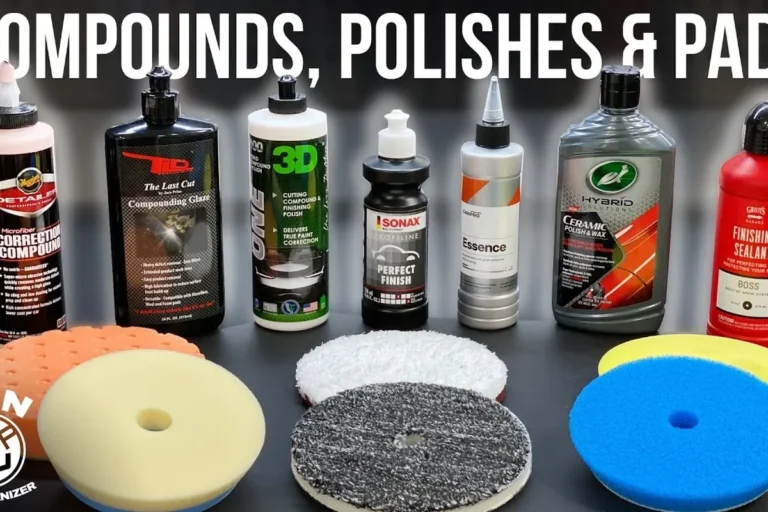
Rubbing compounds are highly abrasive materials designed to remove deep scratches, oxidation, and severe paint imperfections. They often contain harder abrasives like aluminum oxide or silica, which allow for aggressive surface correction. For official guidance on this, see EPA Safer Choice cleaning product standards.
Defining Polishing Compounds
Polishing compounds, on the other hand, are less abrasive and are used for lighter surface imperfections. They refine the paint surface, enhancing shine without removing significant layers of paint, making them suitable for maintaining a well-kept finish. For related context, read car valet kit cleaning kits.
Rubbing Compound vs Polishing Compound: Key Differences
The primary difference between rubbing and polishing compounds lies in their abrasiveness and intended use. Rubbing compounds are suitable for heavy correction, while polishing compounds focus on enhancing gloss and clarity without aggressive abrasion. This area decision also connects with car washes that hand wash.
| Feature | Rubbing Compound | Polishing Compound |
|---|---|---|
| Abrasiveness | High | Medium to Low |
| Use Case | Heavy correction | Light correction and finishing |
| Application Method | Machine or manual | Machine or manual |
| Paint Removal | Significant | Minimal |
Car Brisky Tip: Save screenshots, order confirmations, and the manufacturer’s fitment and care page so you can compare what was promised with what actually arrives.
Abrasiveness Levels: Which Is Right for Your Car?
Abrasiveness levels vary significantly between rubbing and polishing compounds. Choosing the right level depends on the condition of your vehicle’s paint and the type of imperfections present. For related context, read clean the interior of a car 2.
Use this guide for rubbing compound vs polishing compound as a decision framework, then adapt it to your vehicle, budget, and how you actually drive.
Best-Fit Scenarios for Rubbing and Polishing Compounds
Understanding the ideal situations for using each compound will help you achieve the best results. Here’s where you might choose one over the other.
When to Use Rubbing Compounds
Use rubbing compounds for severe paint damage, such as deep scratches, heavy swirl marks, or oxidation. They are ideal for older vehicles or those exposed to harsh conditions. For official guidance on this, see Consumer Reports car guidance.
When to Use Polishing Compounds
Polishing compounds work best when you want to enhance the shine of relatively good paint. They are suitable for newer cars or those that have been recently detailed but require a bit of refining. You can also use car detailing near me yelp as the next practical guide.
Durability and Ease of Use Compared
Durability and ease of use are essential factors when choosing between rubbing and polishing compounds. Rubbing compounds can be challenging for beginners due to their aggressive nature, while polishing compounds are easier to work with and generally safer for the finish. For another location comparison, read how to detail inside of car.
Measure the trunk floor, seat back, or console opening in your own vehicle before ordering, then check that number against the listed product dimensions rather than the product photo.
Material Composition and Quality Factors
The materials used in both compounds can affect their effectiveness and safety for your vehicle’s finish. High-quality compounds typically use finer abrasives and better formulations, leading to superior results. You can also use gifts for new car owners as the next practical guide.
- Rubbing CompoundTypically priced higher due to abrasive content.
- Polishing CompoundUsually more affordable, focusing on refinement.
- Add-onsConsider applicators, pads, and protective gear.
Price Range and Value Assessment
Prices for rubbing and polishing compounds can vary widely based on brand and quality. Generally, rubbing compounds may be more expensive due to their specialized formulations. It’s essential to evaluate the value each product provides based on your specific needs. For related context, read car organizer for back seat.
Choosing Between Rubbing Compound and Polishing Compound
When deciding between rubbing compound and polishing compound, assess the condition of your vehicle’s paint. Use rubbing compound for severe damage, such as deep scratches and oxidation, while polishing compound is ideal for enhancing shine on relatively well-maintained finishes.
Understanding the intended use of each will help you achieve the best results in car detailing. You can also use car seat organizer front seat as the next practical guide.
- Evaluate the extent of paint damage on your vehicle.
- Determine if you need heavy correction or a light refinement.
- Consider the ease of use based on your experience level.
This guide on rubbing compound vs polishing compound is general information. Rules, fees, rents, salaries, service coverage, product details, and procedures can change, so confirm important points with the manufacturer, retailer, or official app documentation before acting.
Quick Questions, Answered
Rubbing compounds are highly abrasive and designed for heavy correction, while polishing compounds have medium to low abrasiveness for light correction and finishing. This difference in abrasiveness directly influences their intended use on a vehicle’s paint surface.
Use rubbing compounds for severe paint damage, such as deep scratches and heavy swirl marks. They are ideal for older vehicles or those exposed to harsh conditions that require significant correction.
Polishing compounds are best suited for enhancing the shine of relatively good paint and refining surfaces with light imperfections. They are particularly effective for newer cars or those that have recently been detailed but need some polishing.
Rubbing compounds can be challenging for beginners due to their aggressive nature, while polishing compounds are generally easier to work with. This makes polishing compounds a safer option for maintaining a vehicle’s finish.
The materials used in both compounds significantly impact their effectiveness and safety for your vehicle’s finish. High-quality compounds typically incorporate finer abrasives and better formulations, leading to superior results.
Rubbing compounds are typically priced higher due to their specialized formulations and abrasive content aimed at heavy correction. In contrast, polishing compounds usually focus on refinement, making them more affordable options.
Closing Thoughts
In the comparison of rubbing compound vs polishing compound, the choice hinges on the condition of your vehicle’s paint and your detailing goals. Rubbing compounds are for heavy corrections, while polishing compounds refine and enhance existing finishes.